The ideas here run from a plain gold solitaire to a halo, a cluster or a colored gemstone, and the one fact about your situation that picks among them is how much of the budget you want that single diamond to carry.
A classic solitaire, an emerald cut, an oval or a princess cut puts nearly all the money into one diamond’s cut and clarity, while a halo or a cluster uses smaller stones to build visual size for less.
1. Halo Settings
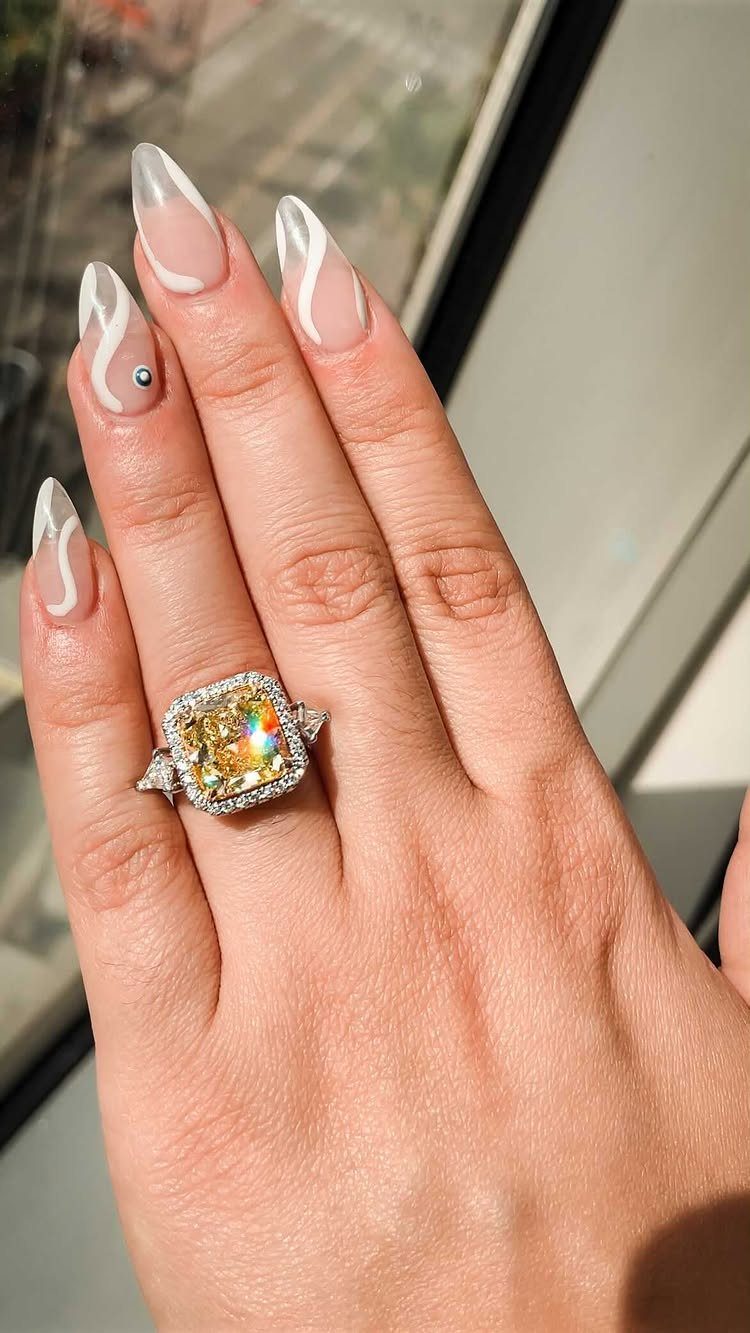
A halo ring is a center stone ringed by smaller diamonds, and that ring of sparkle makes the middle stone look bigger than it is.
For a couple working against a real number, that is the appeal: the visual size comes partly from the surround.
Many people call the halo a trend, but it has been popular for almost 20 years, which makes it a classic. A 2005 ring with a halo still looks current today.
A colored center stone, like the yellow one here, gives the halo a second job: the diamonds frame the color and keep it from looking flat.
2. Classic Solitaires
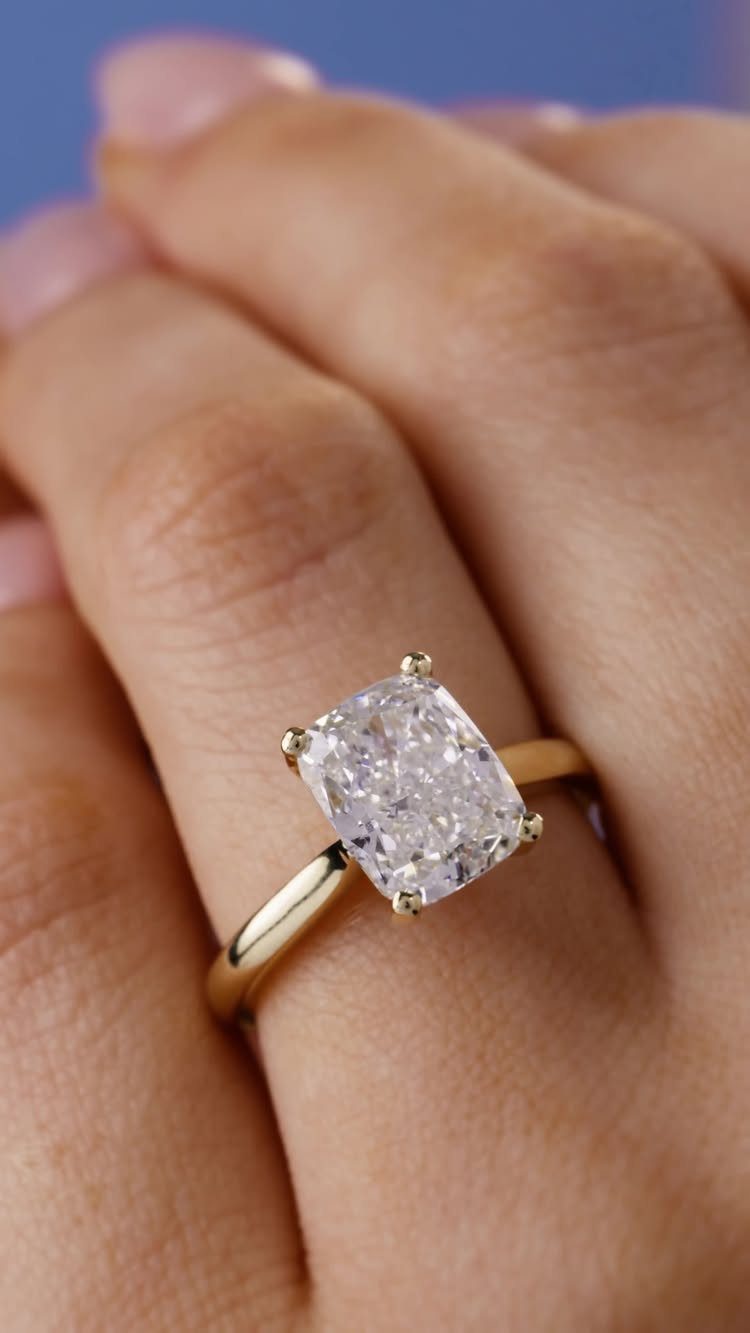
One diamond, a plain gold band, nothing competing with it. That is the whole design of a classic solitaire, and I would choose it for anyone who wants a ring that never needs explaining.
Because the single stone does all the work, spend the budget on the cut and the quality of that diamond rather than on extras. The gold here is warm and simple, and it lets the stone be the focus.
If you like a quiet ring, this is the one I would pick first.
3. Cluster Rings
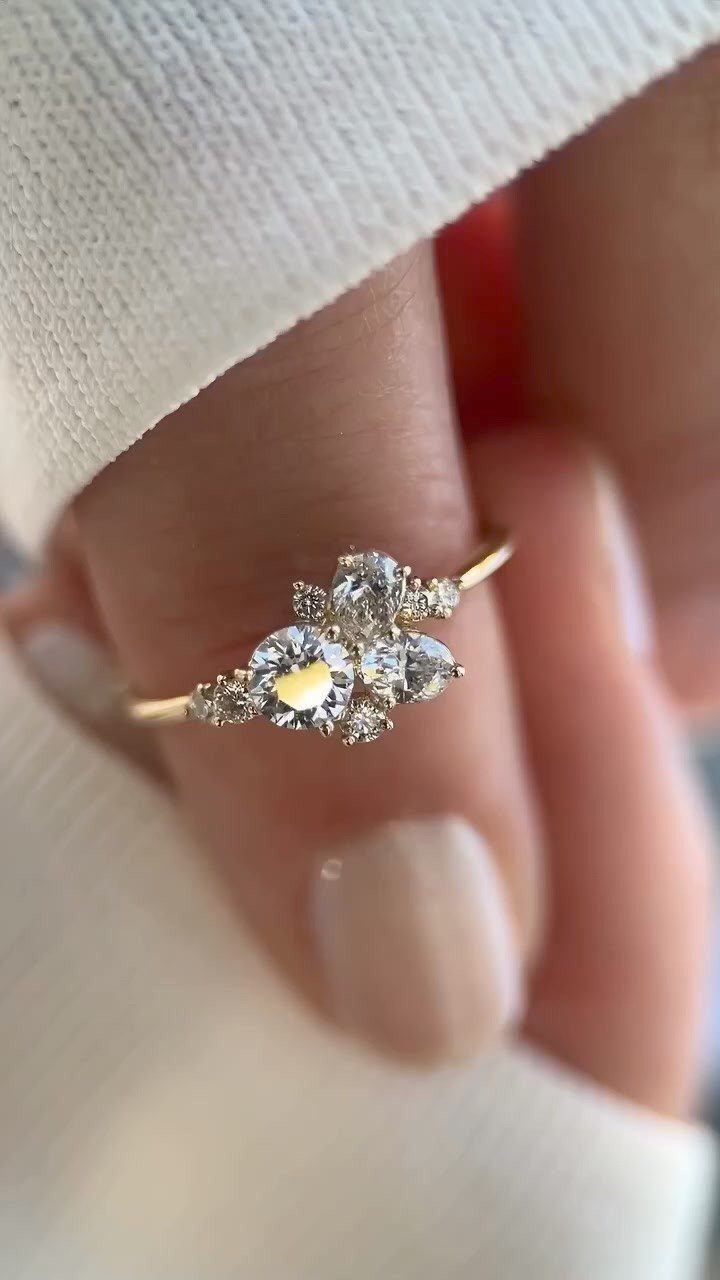
Several small diamonds grouped tight can read as one larger stone, which is the cluster ring’s quiet advantage. The look is fuller and more textured than a single stone, and it sits well in yellow gold.
For a modest budget, this is worth a look, since small diamonds generally cost less than one big one. Ask to see the ring in person, though, because the arrangement of the stones matters more than the count.
I like a cluster for someone who wants sparkle without the formality of a solitaire.
4. Emerald Cut Diamonds
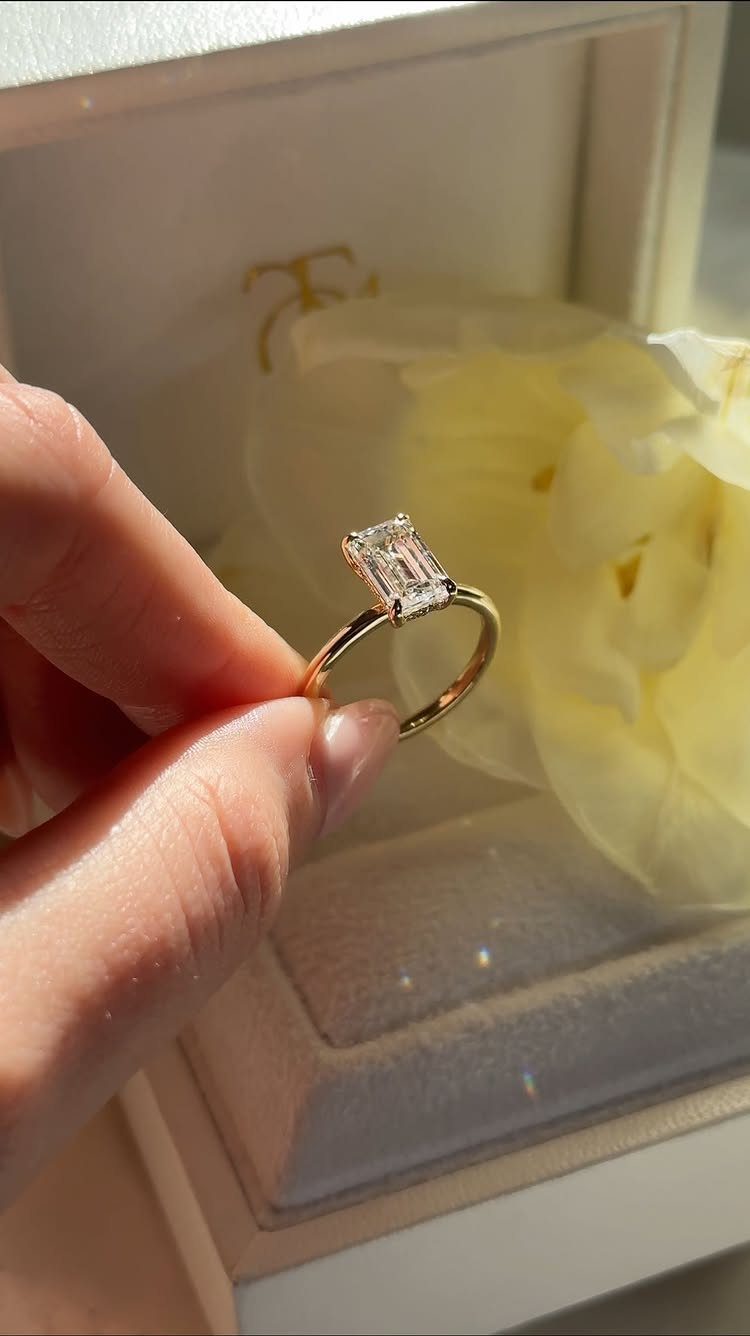
Long, clean lines set the emerald cut apart: the rectangular step cut shows off a diamond’s clarity rather than hiding behind flash. That makes it a ring for people who like a calm, glassy look.
Because the facets are broad, flaws are easier to see, so I would look at the stone closely before buying. Gold settings suit it nicely, as in this ring.
An emerald cut gives up some sparkle compared with a brilliant cut. If you want fire, choose a different shape; if you want elegance, this one wins.
5. Colored Gemstones
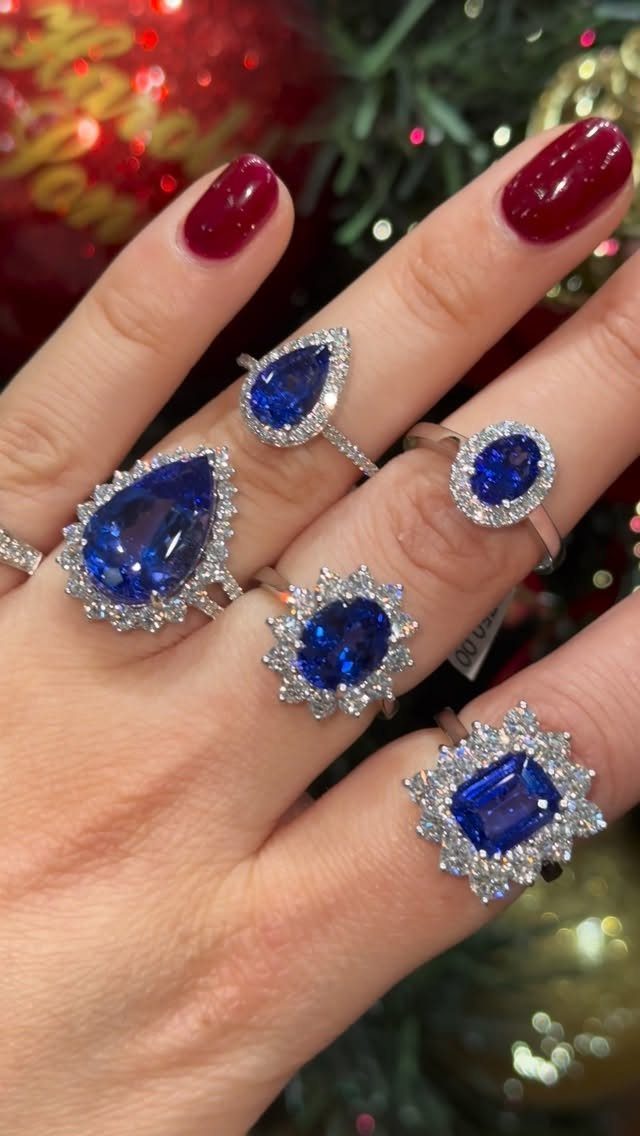
A colored center gives you something no one else at the shower will have.
Pairing the colored stone with a diamond halo, as in these rings, keeps the look bridal and adds some sparkle around the color.
For a modest budget, I would ask a jeweler about the options, since stone type changes the price a lot. Choose the color you will still love long after the trend has passed.
6. Princess Cut Diamond Rings
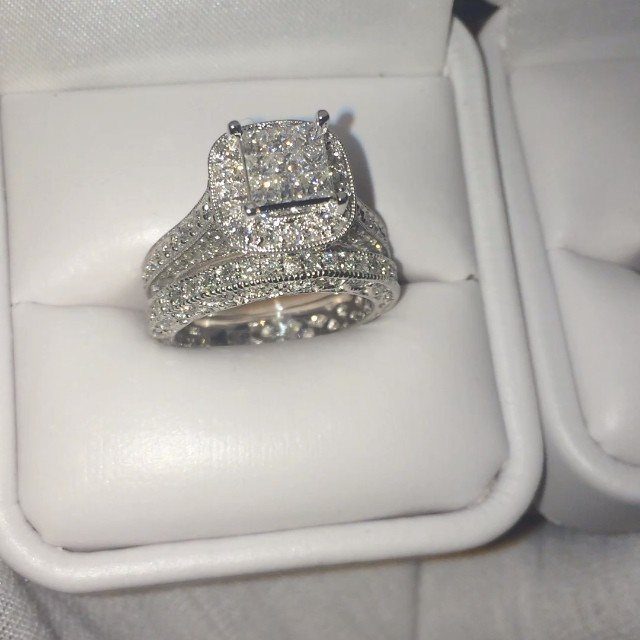
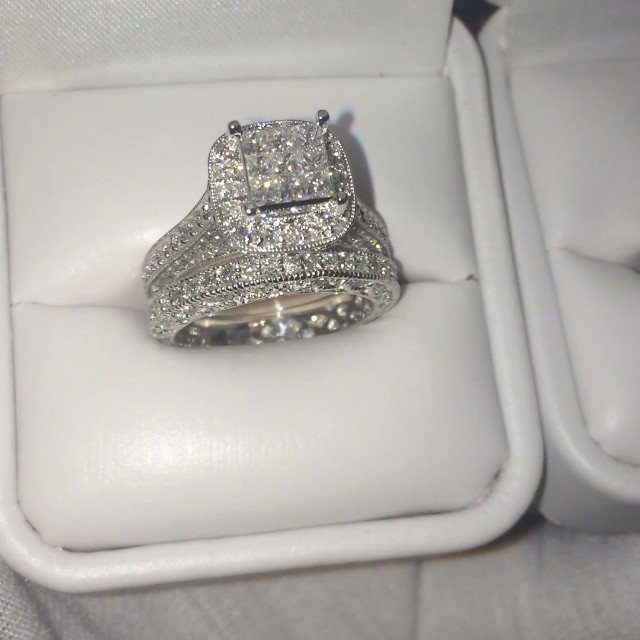
Sharp corners and a square outline define the princess cut, and in a silver-toned setting with smaller accent diamonds on the sides, it looks crisp and modern. Of all the diamond shapes, the princess cut is the most geometric.
In the version with smaller accent diamonds on the sides, those side stones add sparkle and widen the look of the ring without making the center stone any bigger. I like how the square reads against a plain band.
One practical note: pointed corners are the most exposed part of the stone, so a setting that protects them is worth asking about.
7. Oval Solitaire Diamond Rings
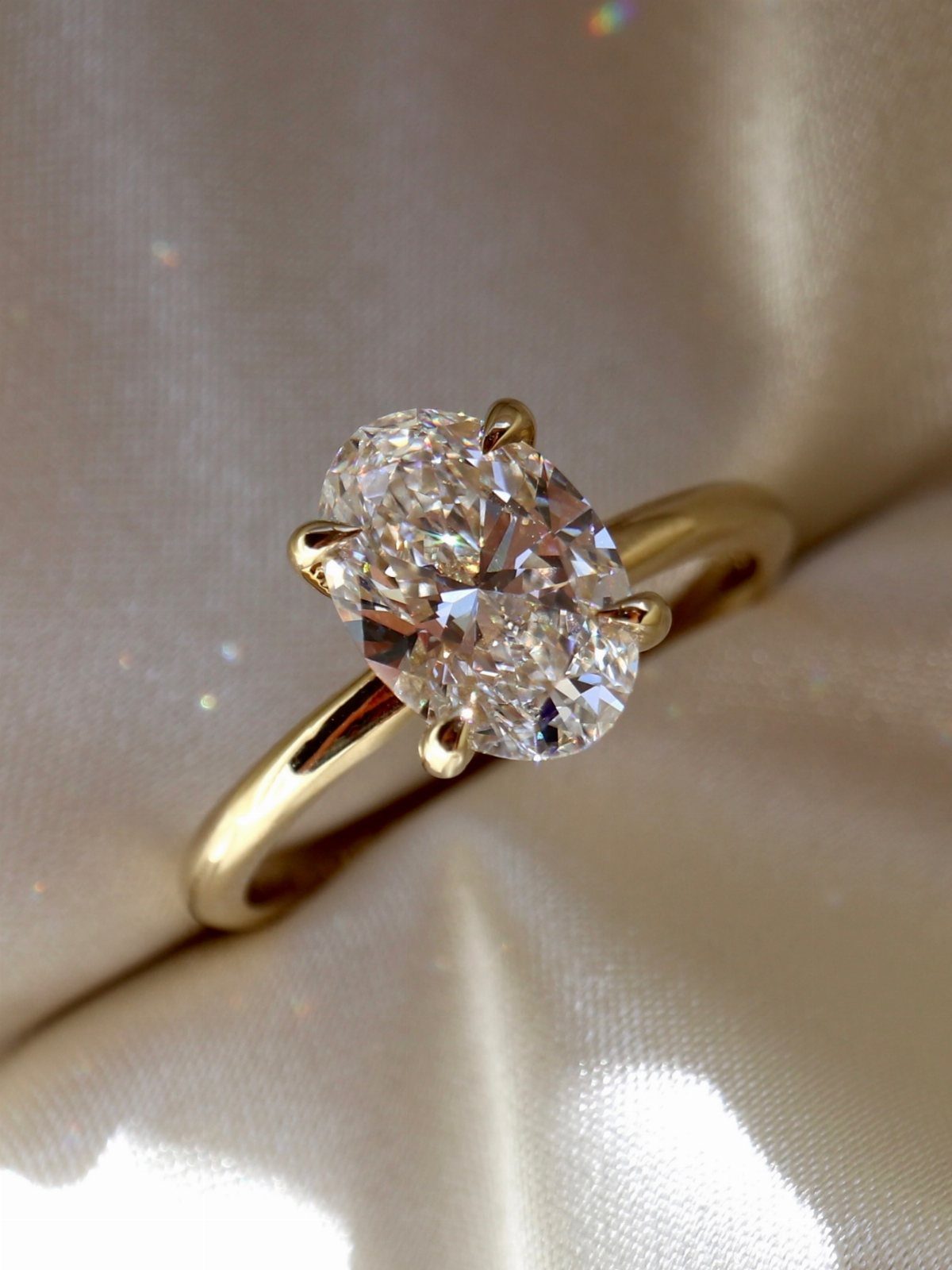
An oval stretches the diamond along the finger, so a stone of the same weight can look longer and larger than a round one.
Held by prongs in a plain gold band, as in this ring, it needs no extras to look finished.
For a modest budget, I would put the money into the stone and keep the band simple. Ask the jeweler to show you the oval in person, since the outline should look even on both sides.
Nothing about a 2005 solitaire has to be dated. This one reads as current, and I would pick it over a busier setting.
Historical Context of Engagement Rings
Hardness is what made diamonds the default for a ring worn every day: a 10 on the Mohs scale, they resist the scratches and knocks that dull softer stones, which is why they have held their place from medieval courts through 2005 and into today.
Clothing, art and music change; a hard stone holds its polish for decades.
Use that as a buying rule. A ring is the one piece of jewelry that gets knocked against counters and steering wheels, so hardness and a secure setting matter more than whatever style is moving this year.
If a vintage look appeals to you, treat the era as a style cue and not a reason to pay more. Cultural tastes shift, but the stone underneath stays the same.
Cultural Significance of Diamonds
Diamonds became the standard for engagement rings in large part because of marketing campaigns, and that is worth knowing before you set a budget.
The meaning of love and commitment is real, but it was attached to the stone; the stone does not carry it on its own.
That frees you up. A diamond is a fine choice and a durable one, yet a smaller stone with better cut quality says the same thing as a bigger, duller one.
Decide what the ring should mean to the two of you, then spend to that, not to an expected number.
The idea that a man should spend a significant fraction of his annual income for an engagement ring originated from De Beers marketing materials in the mid-20th century in an effort to increase the sale of diamonds.
Influence of Celebrities
Famous engagement rings have shaped what people ask jewelers for, from royals to film stars. Looking at them is fine for ideas, and replicas of well-known rings exist if a particular design appeals to you.
I would still put personal style first. A ring copied from a celebrity’s hand was sized and priced for someone else’s life and budget.
Pull out the one feature you love, such as the shape, the metal or the setting height, and ask a jeweler to build that into a ring you can afford and wear daily.
Frequently Asked Questions
What is the Gen Z engagement ring trend?
The clearest shift is that more people choose their own ring. In one survey, 52% had the ring chosen for them, 45% picked one from a retailer, and 3% received a family heirloom.
Among the couples who made a choice, 53.3% bought an existing ring and 46.7% designed their own, which points to buyers who want a say in the look and a lid on the price.
What are the main eras of antique engagement rings?
Six eras cover most antique rings: Georgian (1714–1837), Victorian (1837–1901), Art Nouveau (1890–1910), Edwardian (1901–1914), Art Deco (1920–1939) and Retro (1935–1950).
What makes Georgian engagement rings so rare?
Most Georgian rings (1714–1837) were lost, melted down or reset over the centuries, so the ones left are some of the oldest and scarcest you can find.
Authentic ones are also hard to verify because hallmarking wasn’t yet standardized. The Old Mine and Marquise cuts are among the early shapes that still turn up on surviving pieces.