A full-service dinner can run $75–150 per guest, and the ideas here range from a $-light popcorn bar with squeeze bottles of chocolate sauce to a sushi station that reads as a splurge.
The rule that picks one is your guest count against your catering budget: buffets and stations need fewer staff and cook in big batches, while family-style platters suit smaller lists and cost more food per table.
Pick the format first, then dress it up with a menu card, a sign or a signature cocktail.
1. Late-Night Snack Station
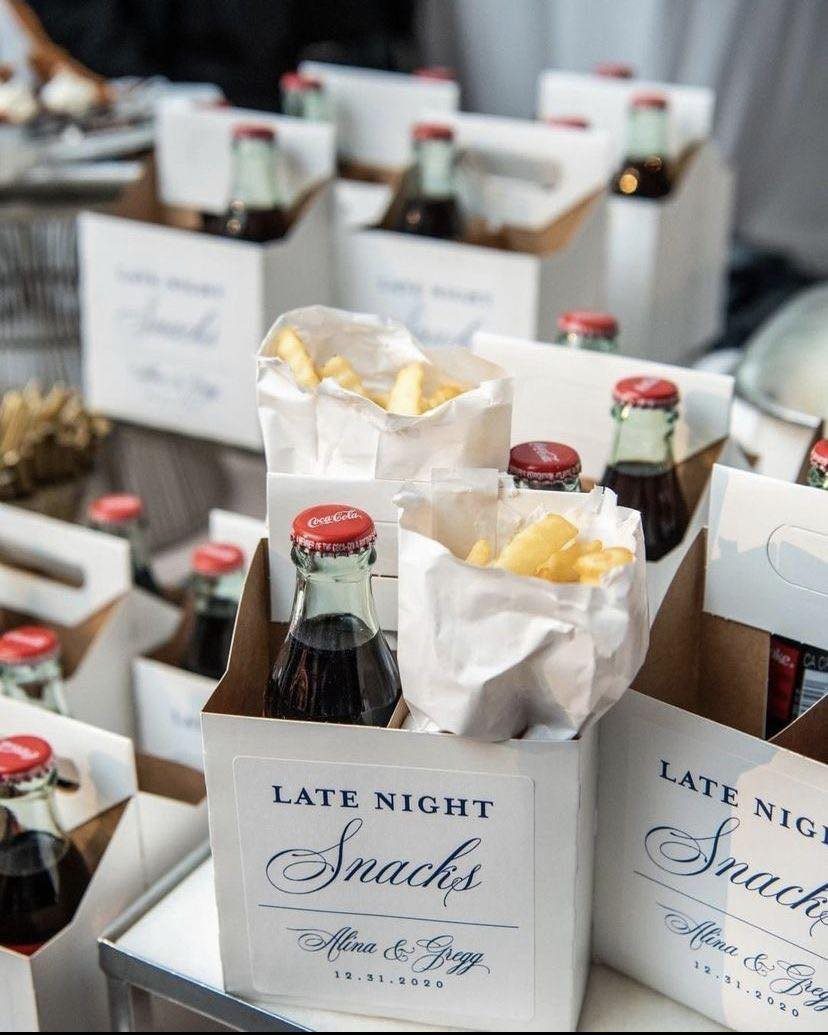
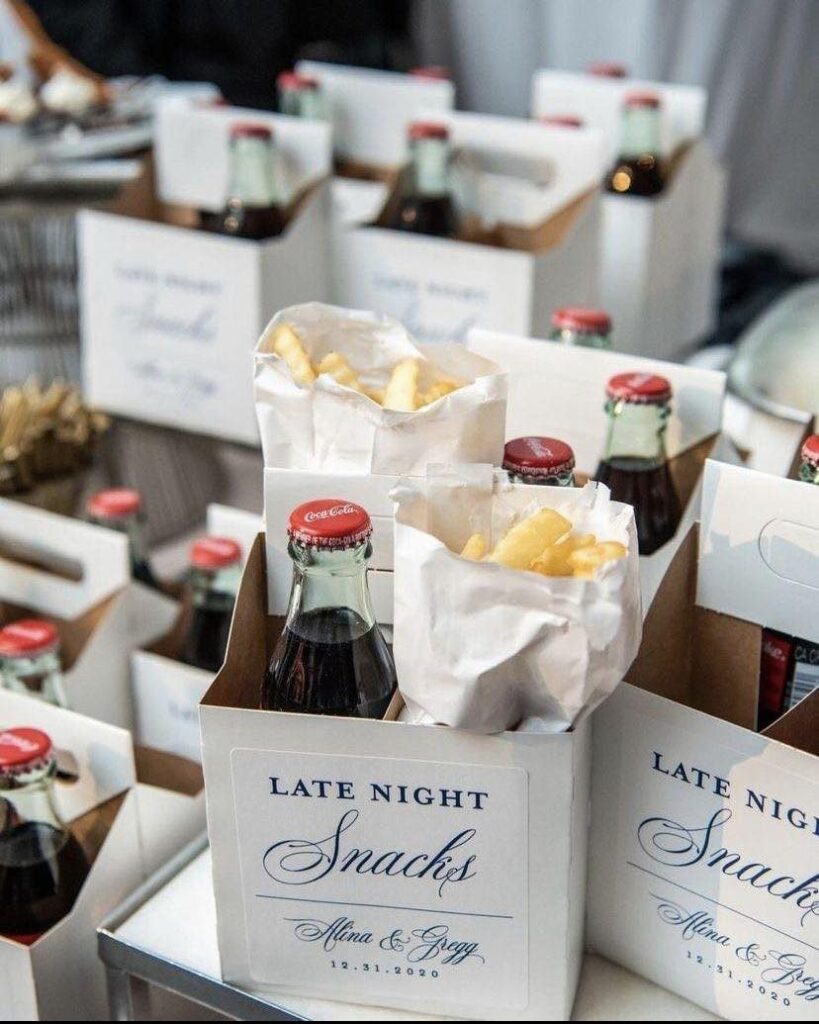
Fries in a closed white box, with a cold cola on the side, is a snack that hits at 10 p.m. when the dinner plates are long gone.
Printing the couple’s names and date on the boxes turns a basic carb into a keepsake.
Plain cardboard keeps the cost low, and guests can carry a box onto the dance floor without needing a plate or a fork.
Set the table out near the end of the night, not before.
2. Dessert Bars
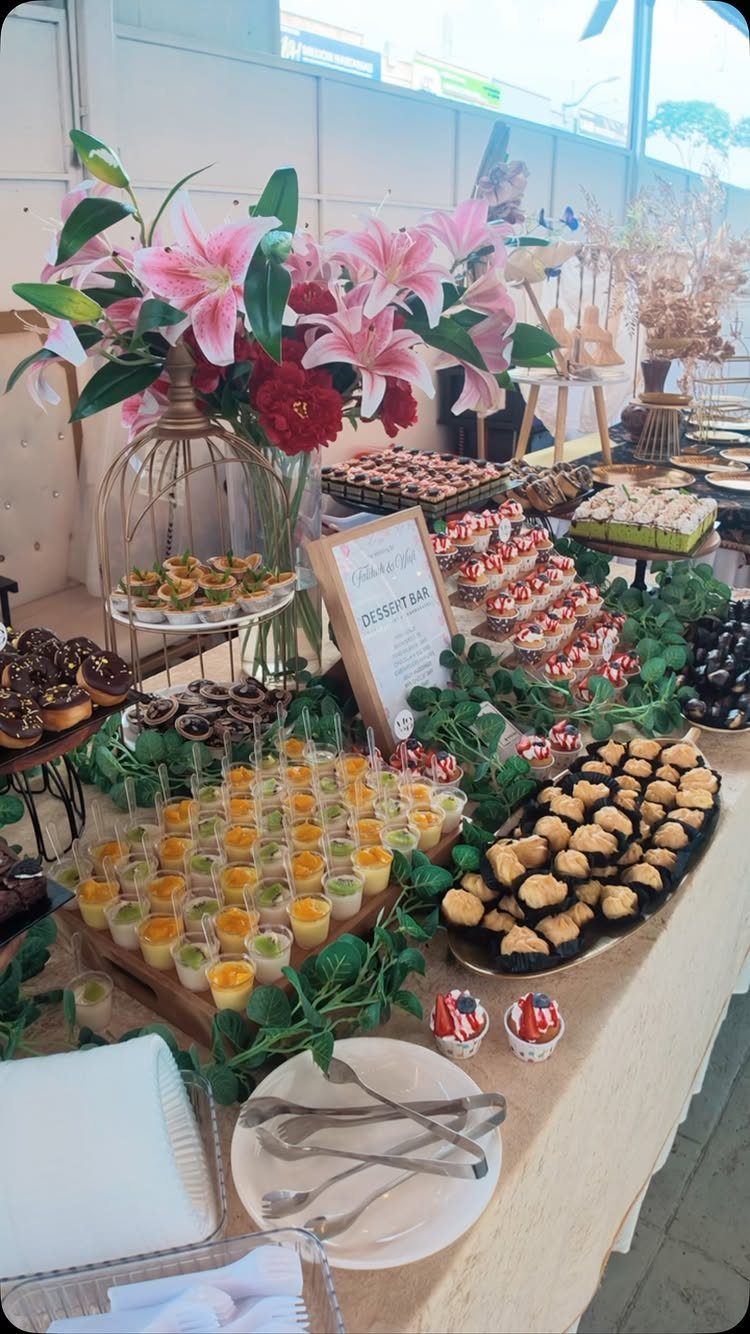
Mini parfaits, donuts and small pastries let guests sample a few sweets instead of committing to one slice. A dessert bar beats a single cake on variety, and it suits any crowd with mixed tastes.
Choose items that sit comfortably in one hand: shooters, bite-size cakes, donuts. Fresh flowers and a clear sign make the table feel finished without adding a line to the catering bill.
3. Ice Cream Bar
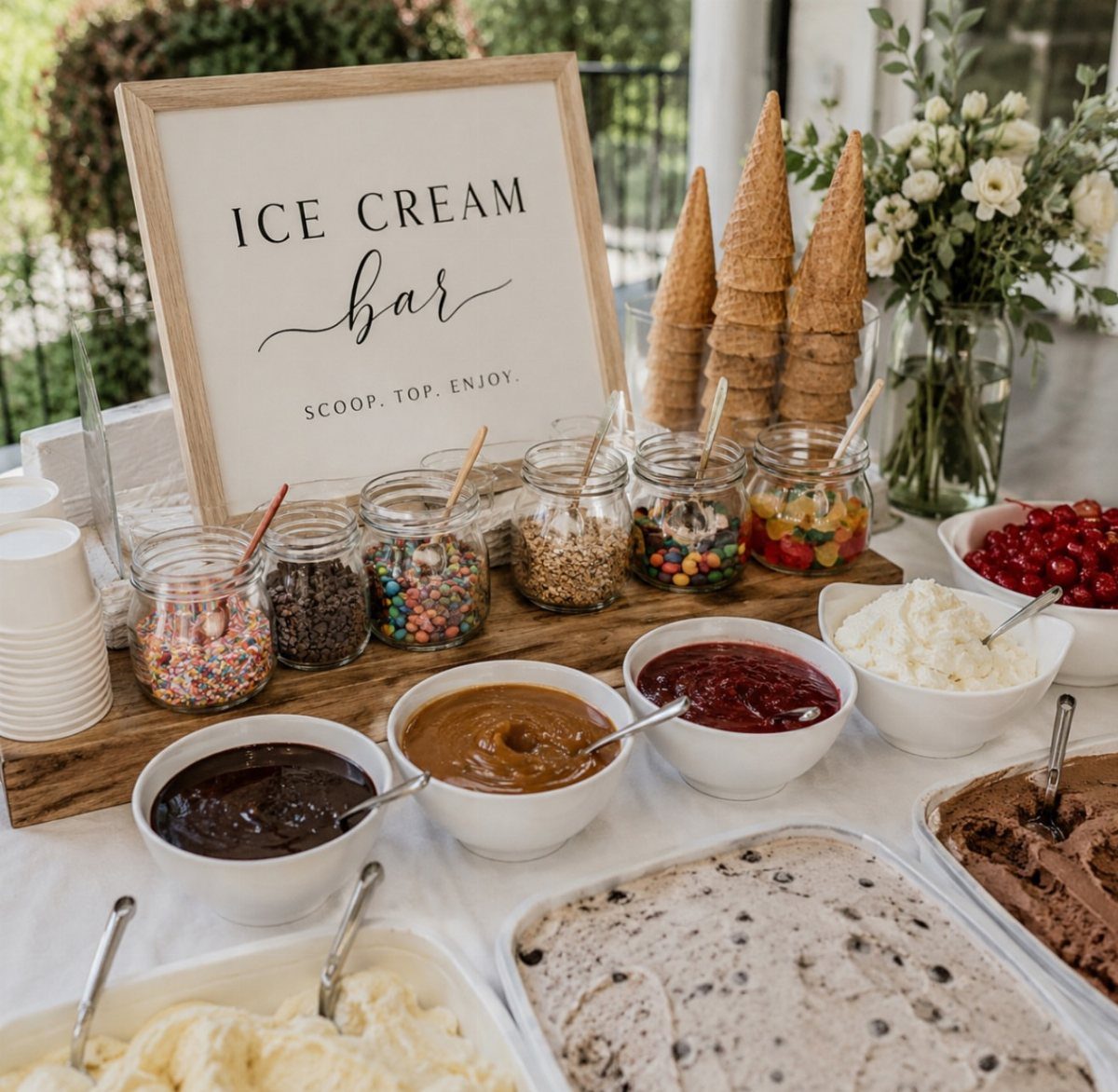
Cones, tubs and a row of jars turn dessert into something guests build themselves, and I like that it keeps people mingling at the table instead of sitting through another course.
Offer a few flavors, a few sauces and a handful of toppings, and stop there. A short, well-chosen lineup looks better than a crowded one and costs less.
Waffle cones give the table a sturdy, easy base, and a hand-lettered sign tells guests where to start.
4. Signature Cocktails
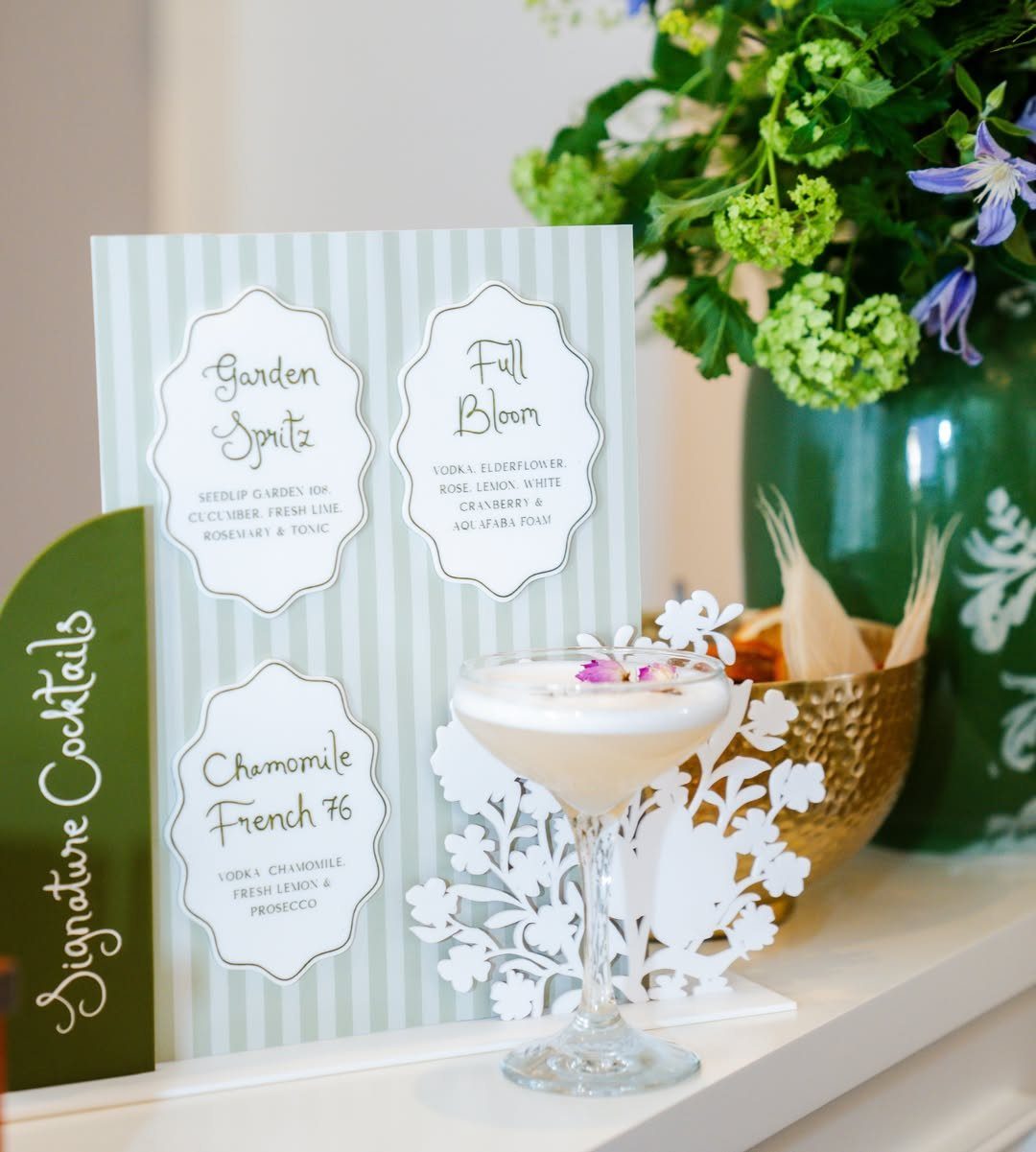
Two or three named drinks on a small menu card say more about a couple than a full open bar ever could.
Naming each drink after a shared joke, a place or a season is my favorite touch.
Limiting the bar to a few specialties also keeps the bartender’s list short, which tends to help the budget. Add beer and wine as a backup for guests who skip cocktails.
5. DIY Burger Bar
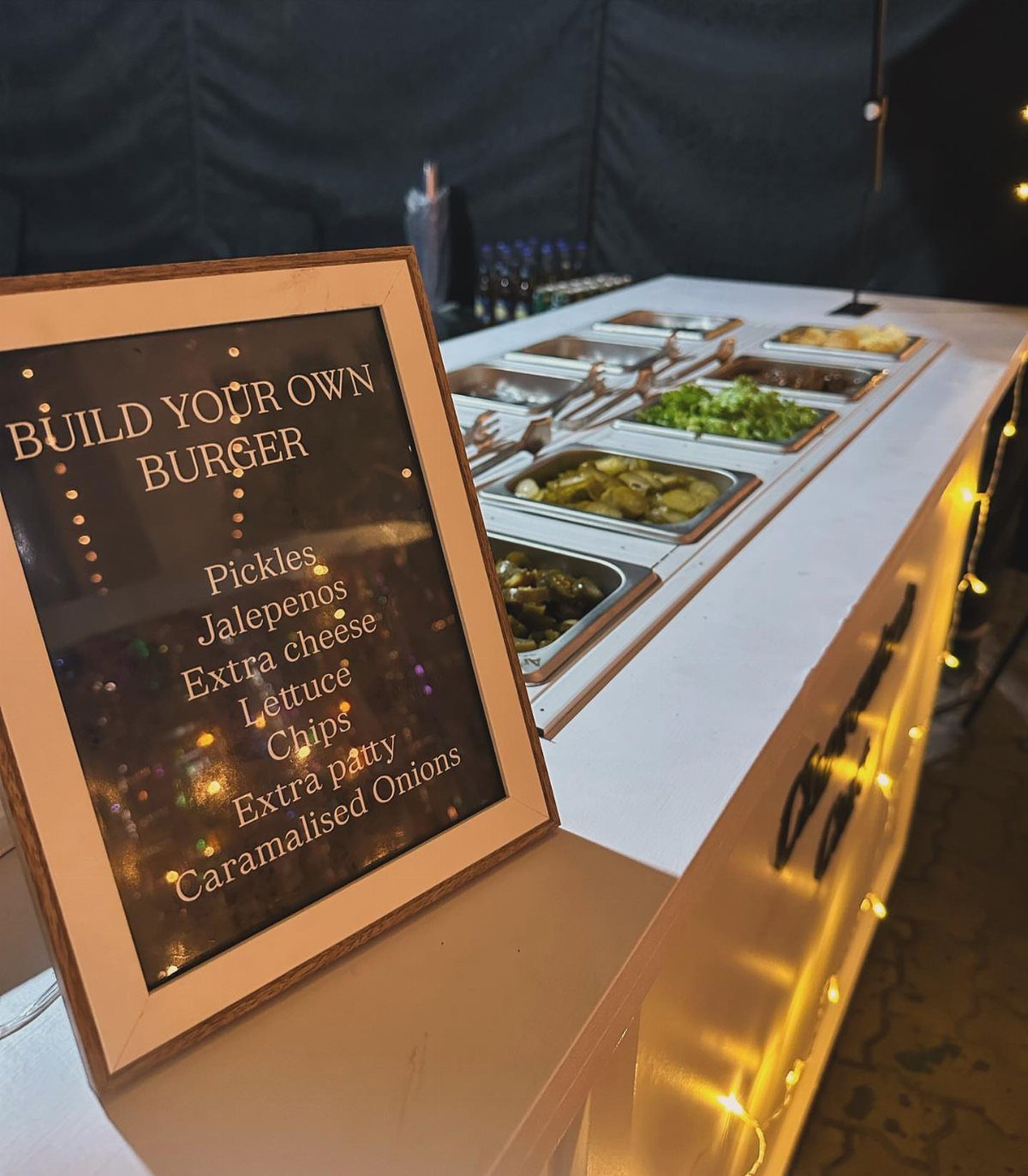
Burgers can feel like backyard food, but trays of toppings and a framed sign make a build-your-own bar look deliberate. Guests pick their own pickles, lettuce and extras, so picky eaters and vegetarians are handled without special orders.
Use shallow metal trays and keep the toppings in a logical order, from patty to bun. String lights over the counter add warmth for an evening reception.
If money is limited, this is one of the easier hearty options to price out.
6. Build-Your-Own Taco Station
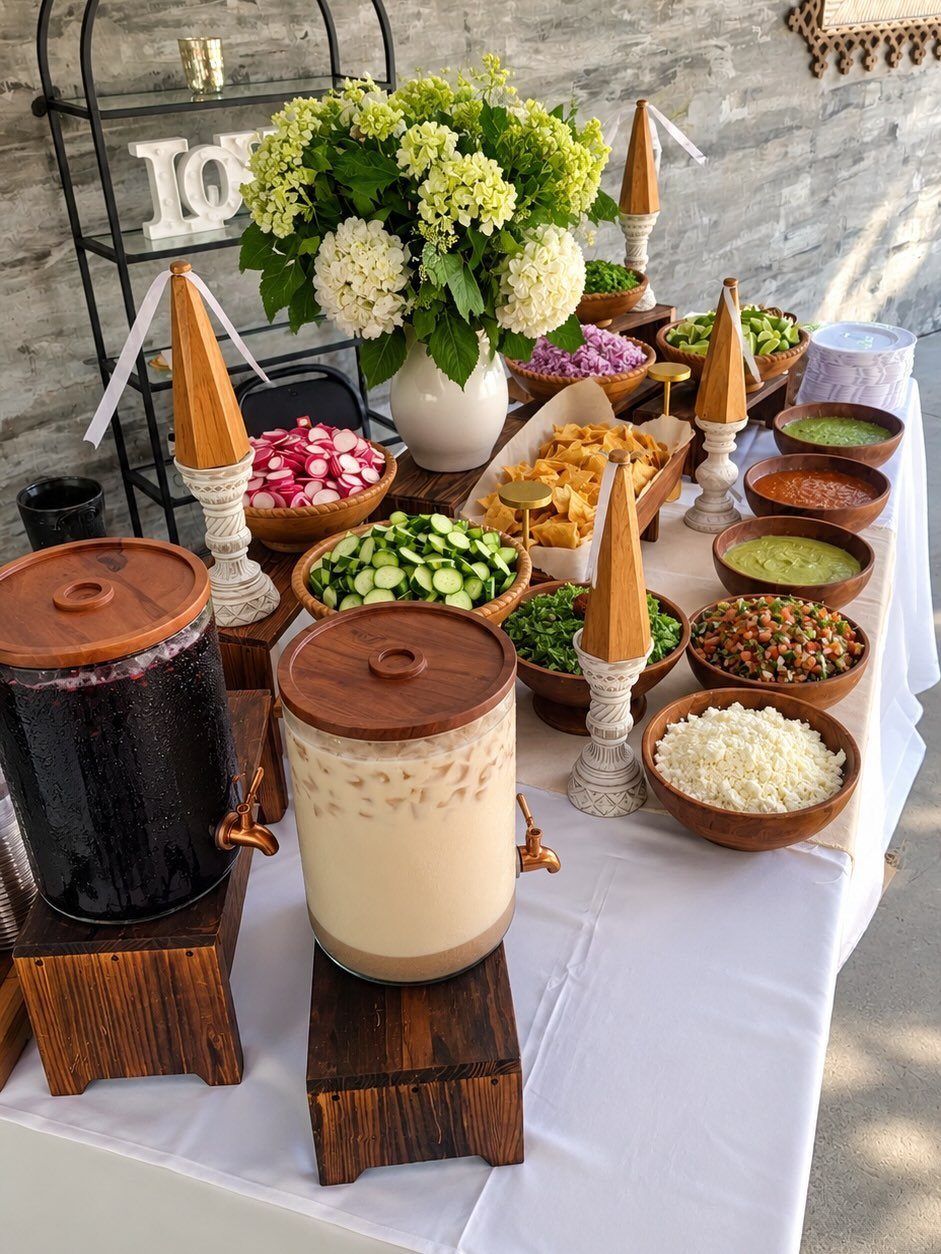
Guests customize every plate, which suits couples feeding a crowd with different tastes and diets.
Label each bowl so people know what they are scooping, and put the dispensers at the end so the line keeps moving.
An outdoor setting like a stone wall and a floral centerpiece makes the table double as decor, so you can skip extra styling.
7. Pasta Stations
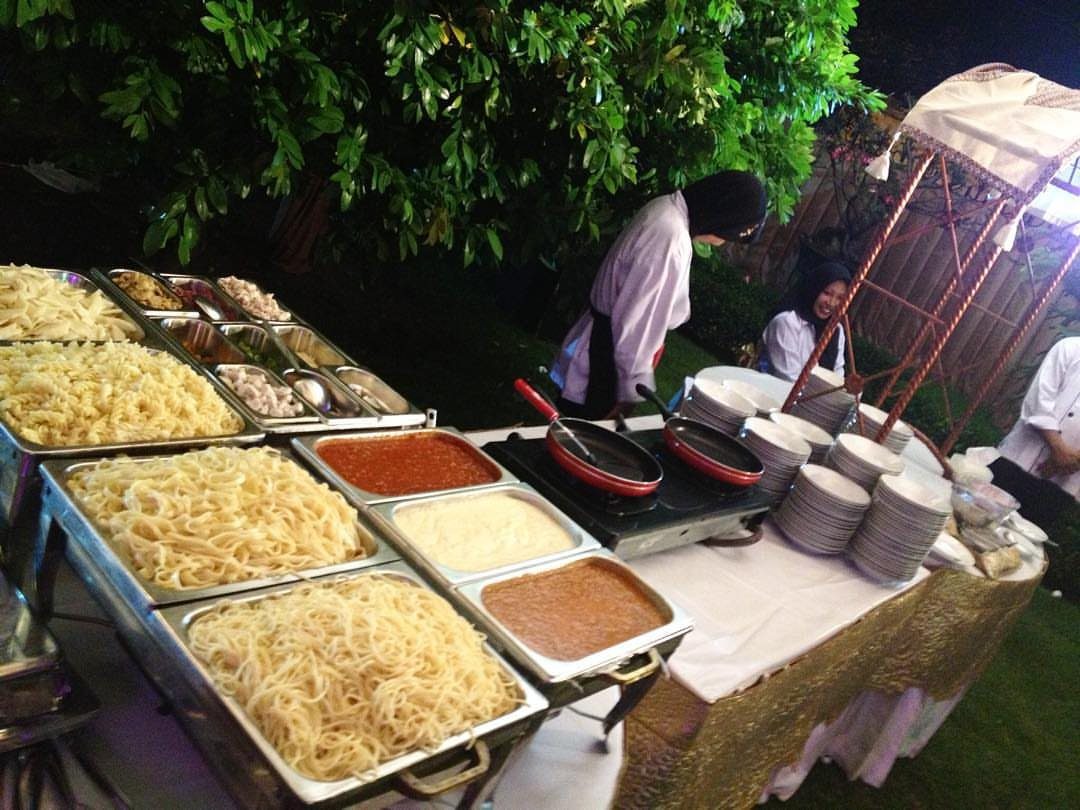
Pasta stations let guests pick their noodle and their sauce, so one table covers the picky eater, the vegetarian and the person who wants seconds. Chafing dishes keep everything warm through a long reception line.
I would keep the menu to two or three noodle shapes and two or three sauces. Pair a red with a cream option and label each pan clearly.
A staff member at the table to portion and toss keeps the line moving.
8. Sushi Station
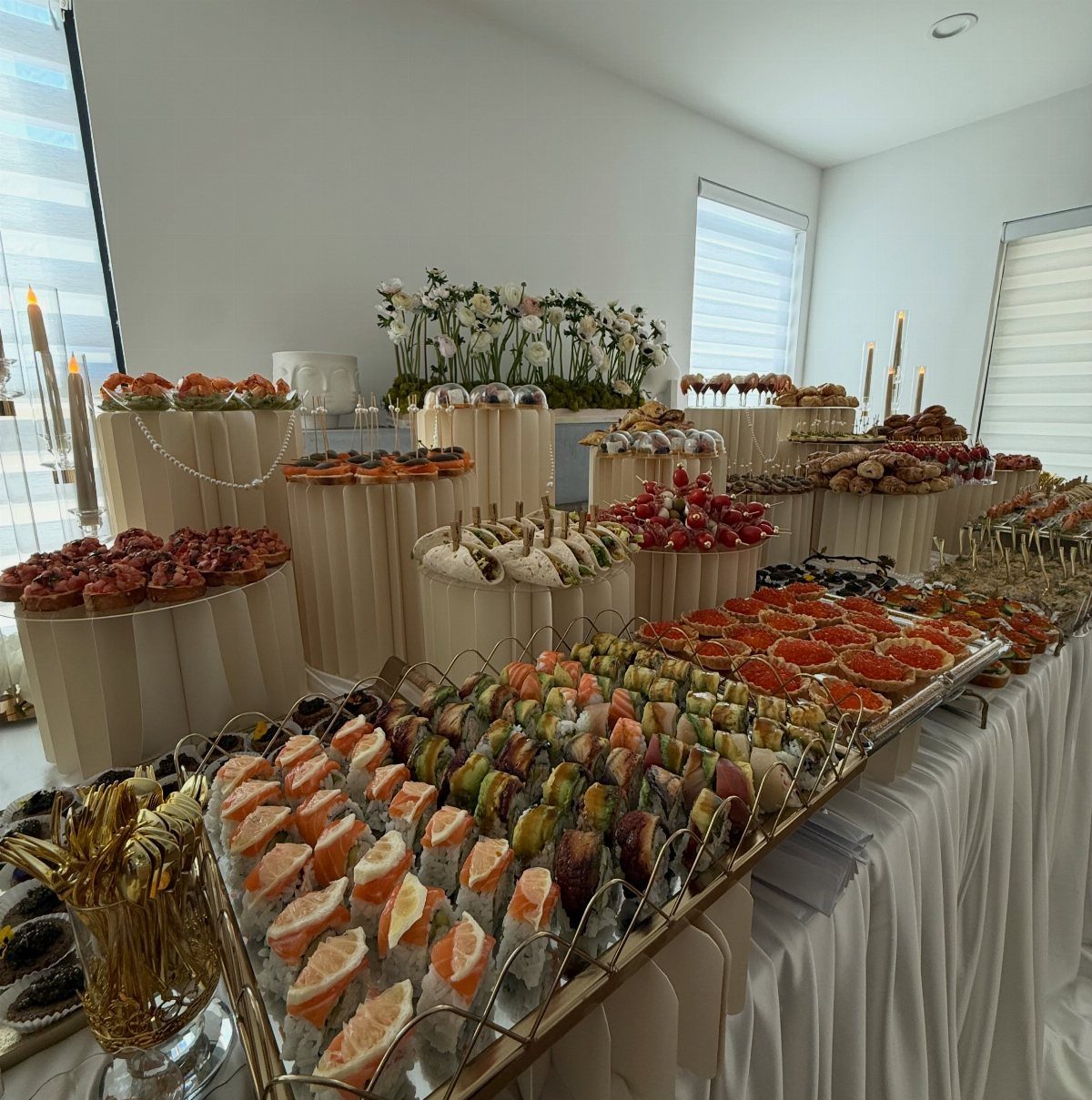
Sushi is the station that makes a reception feel like a splurge, and I think it earns that reputation. Rolls, sashimi and small appetizers read as generous even when each guest takes only a few pieces.
Raw fish is the priciest part, so lean on rolls for volume and keep sashimi as an accent. Put it on tiered pedestals to save table space and give the display height.
Keep the station out of direct sun and set it out close to serving time.
9. Cultural Food Station
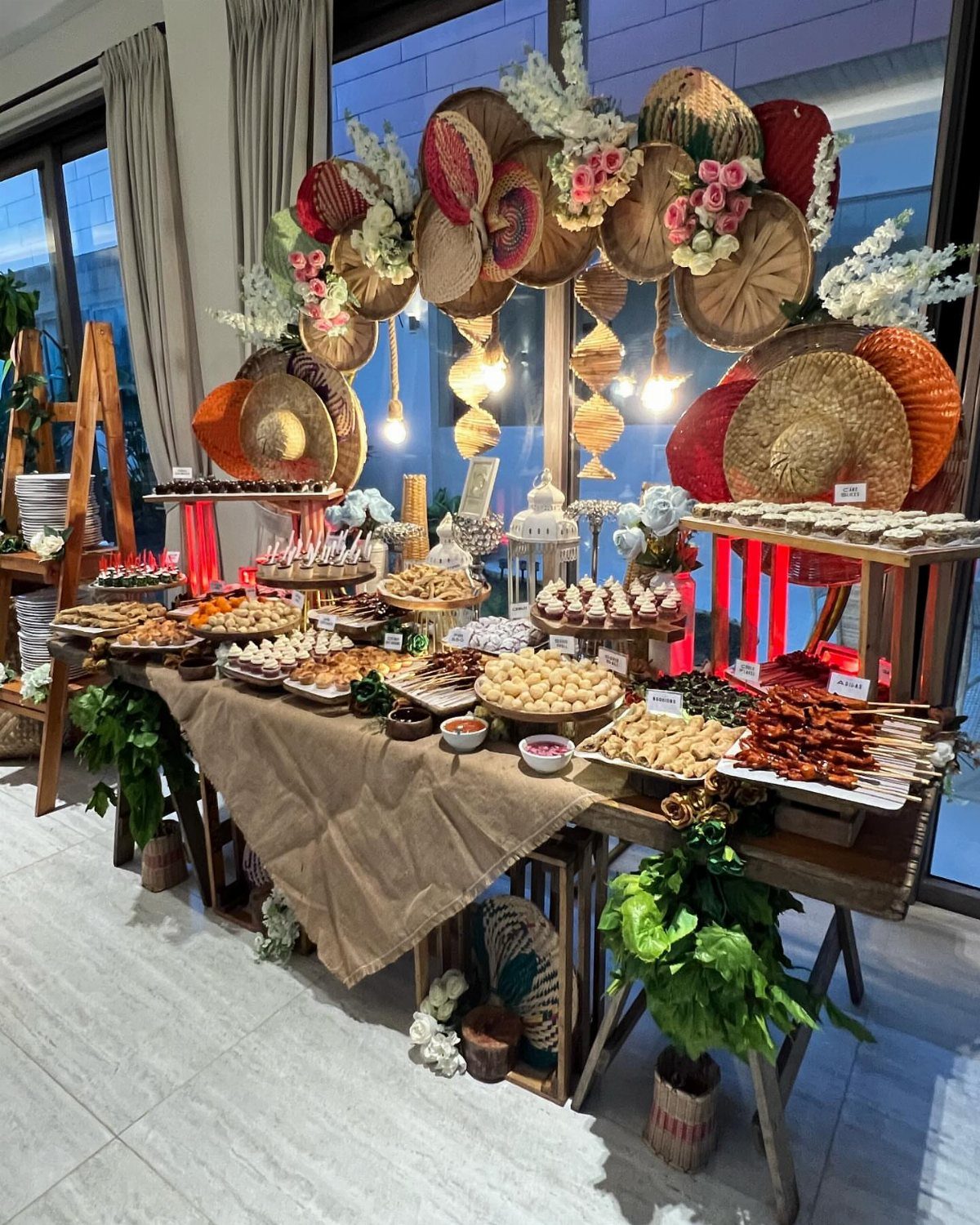
A cultural food station lets a couple put their own background, or a place they love, on the menu. Skewers and small appetizers suit this well because guests can taste without committing to a full plate.
Pick one or two cuisines that mean something to you rather than five that mean little. Then decorate with objects from the same tradition, like woven hats or lanterns, so the table tells the story before anyone eats.
Add a small card naming each dish and what is in it.
10. Beverage Station
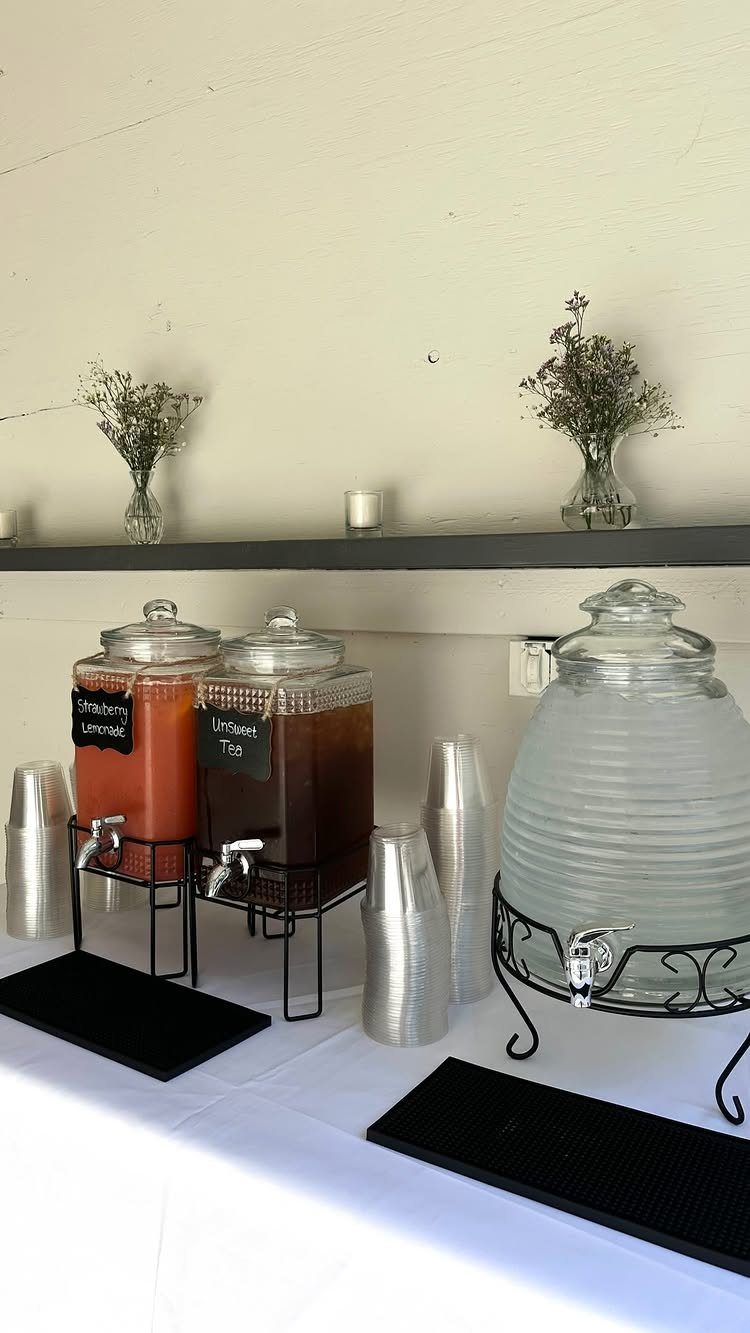
Glass dispensers of strawberry lemonade and unsweet tea give guests something to sip all evening without waiting on a bartender. Two drinks, one sweet and one plain, cover most tastes.
Label every dispenser in plain lettering, and stack cups within easy reach. Small vases of flowers above the table make it look planned.
A signature drink or 2 costs far less than a full open bar, and guests who skip alcohol will be glad to see something made for them.
11. Buffet Style
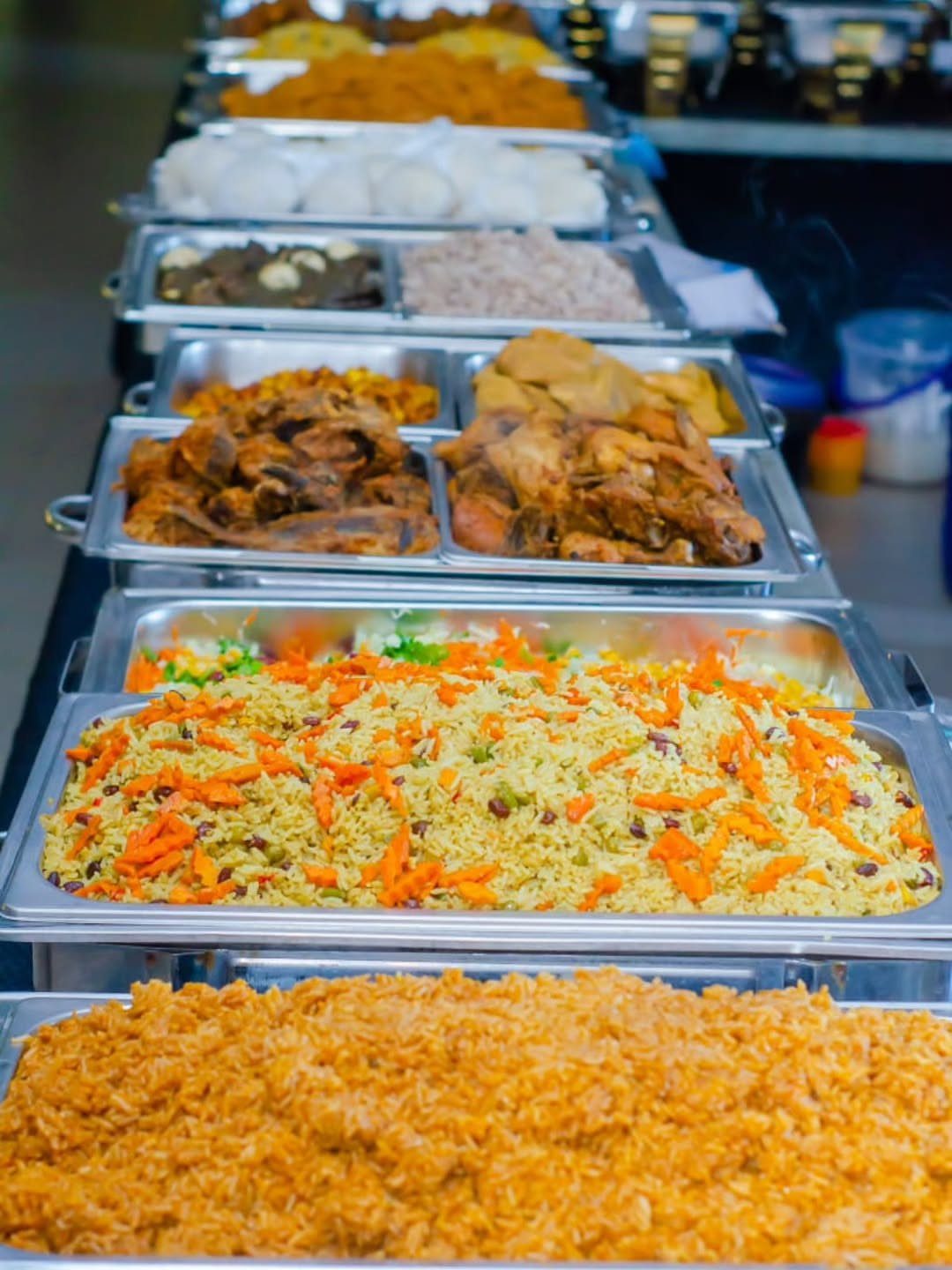
A buffet lets guests build their own plate from rice, meats and sides, and for a crowd with mixed tastes it is hard to beat on flexibility. Stainless steel chafing dishes keep the food hot while the line works through.
Make the line two-sided if the guest count is large, and put plates first and silverware last so hands stay free. Label every tray.
I would pick a buffet over plated service when the budget is tight.
12. Family-Style Dining
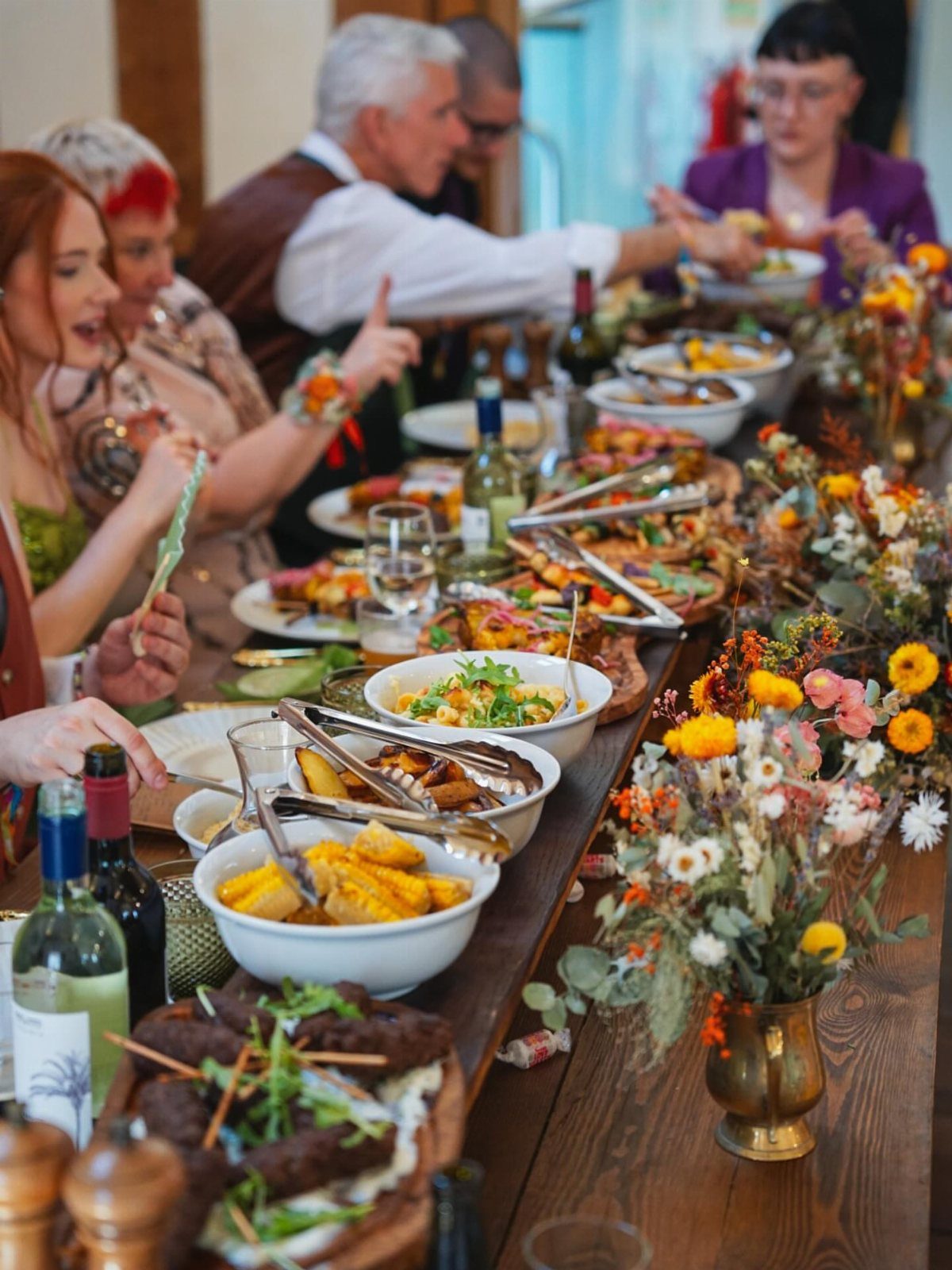
Large bowls and platters passed down a long table turn dinner into something closer to a holiday meal, and guests talk more because they are handing food to each other.
Plan on wide tables, since platters need room next to the plates and centerpieces. Low flowers keep sight lines open across the table.
Smaller guest lists suit this style best. Ask the caterer about portion sizes, because shared dishes need extra food per table.
13. Edible Flowers
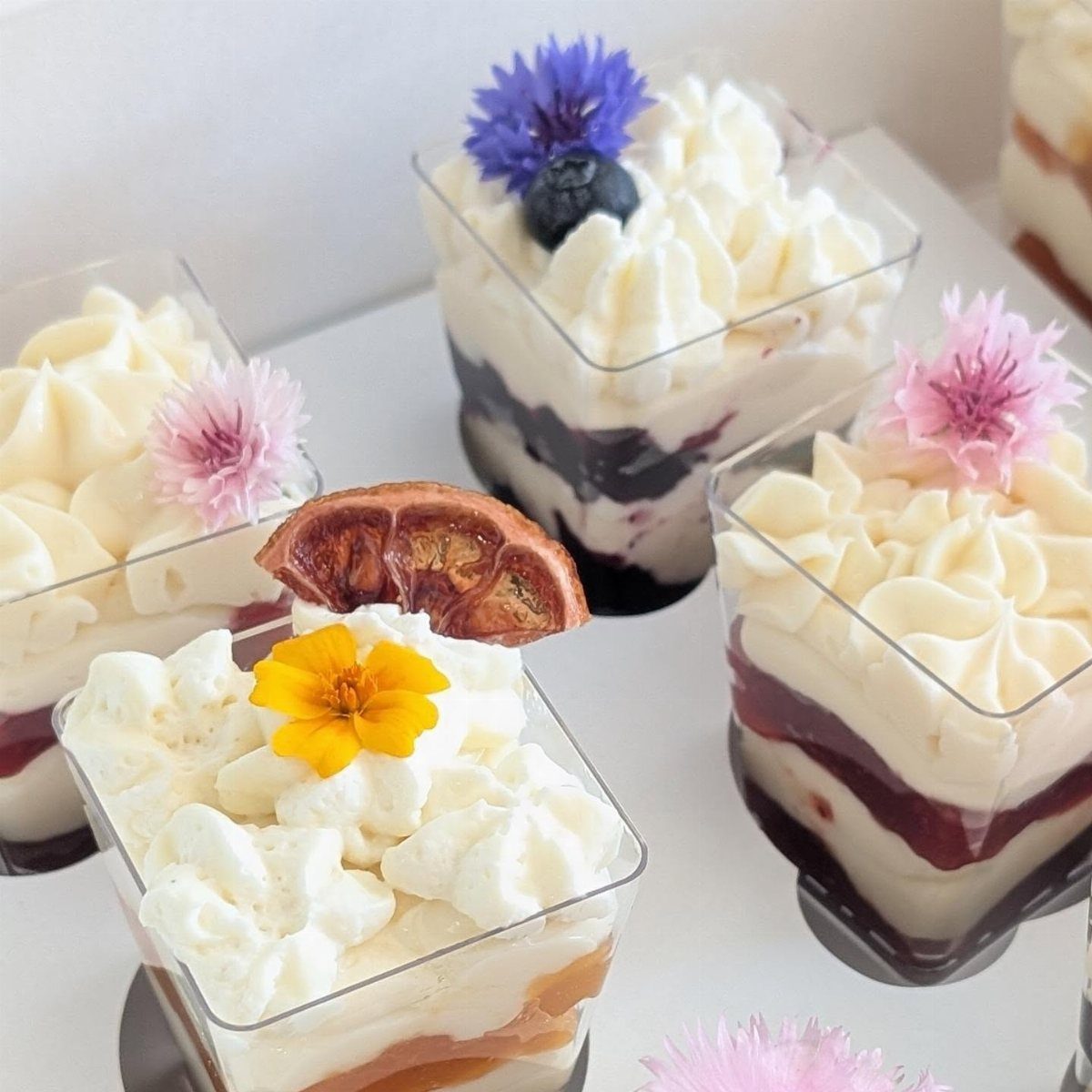
Edible flowers on layered dessert cups add color and a light floral note without adding another dish to the menu.
A single yellow or purple edible bloom pressed into a swirl of whipped cream makes a dessert look finished with almost no effort.
Ask the caterer to confirm every flower is food-grade before it touches a plate. Add the blooms right before service so they stay fresh, and mention them on the menu card for guests who wonder whether to eat them.
14. S’mores Station
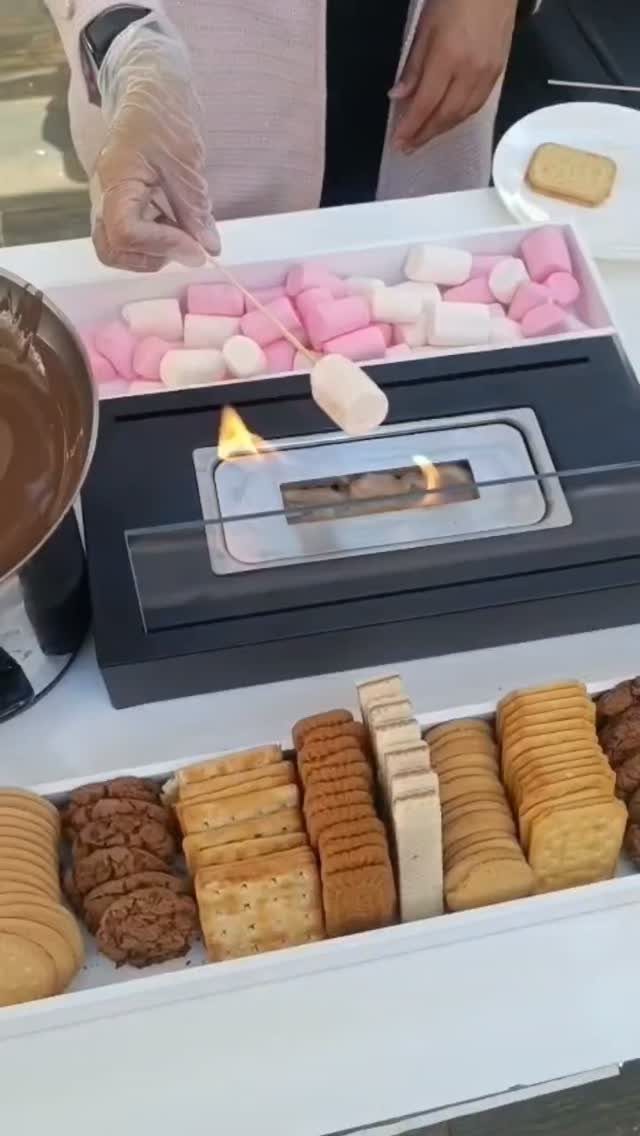
Cookies make a good swap for plain graham crackers when you want more variety. Keep the crackers and marshmallows in separate trays so the line moves, and have a staff member nearby to light and watch the burner.
Keep a few pairs of heat-proof gloves on hand so guests can handle the roasting sticks without burning their fingers.
15. Popcorn Bar
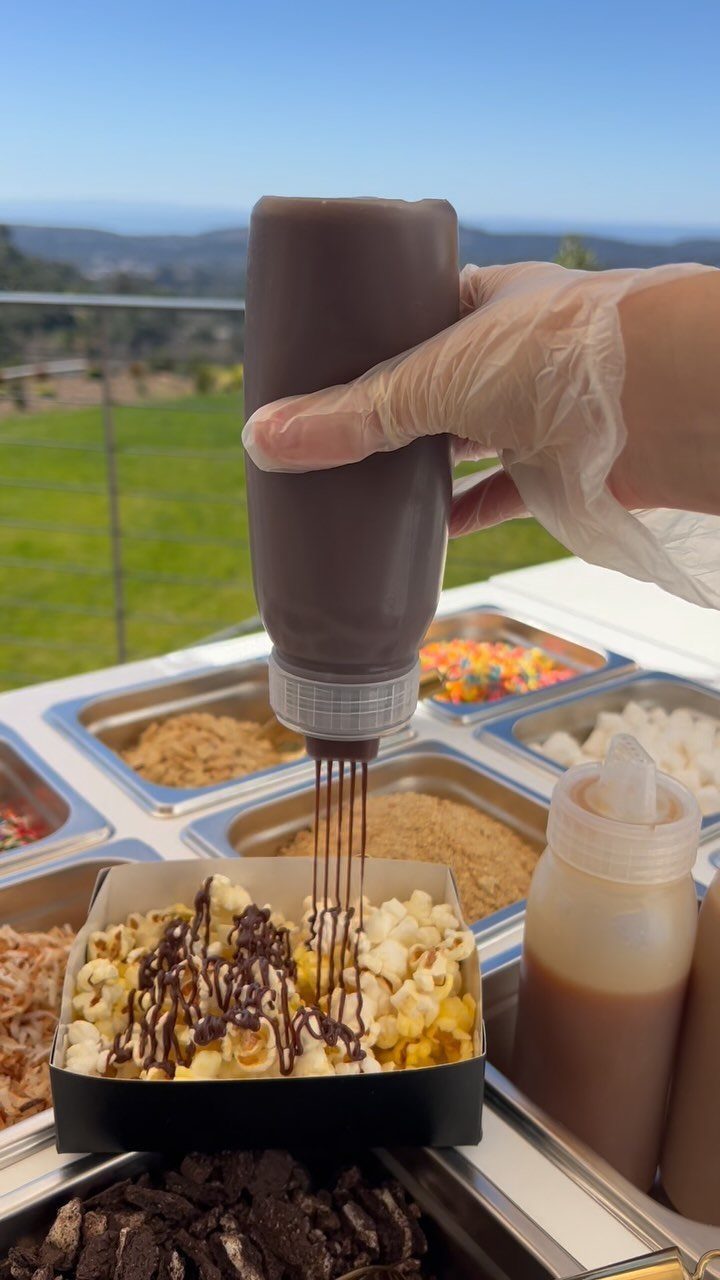
Popcorn is one of the cheaper ways to feed a crowd, and a bar with squeeze bottles of chocolate sauce and a row of toppings lets guests flavor their own.
Serve it in small black boxes so each person carries a portion and the tray stays tidy.
Offer a few flavors and sauces rather than a dozen. Label each bottle, and set the station away from the dance floor so spilled kernels stay out of the way.
16. Signature Wedding Cake
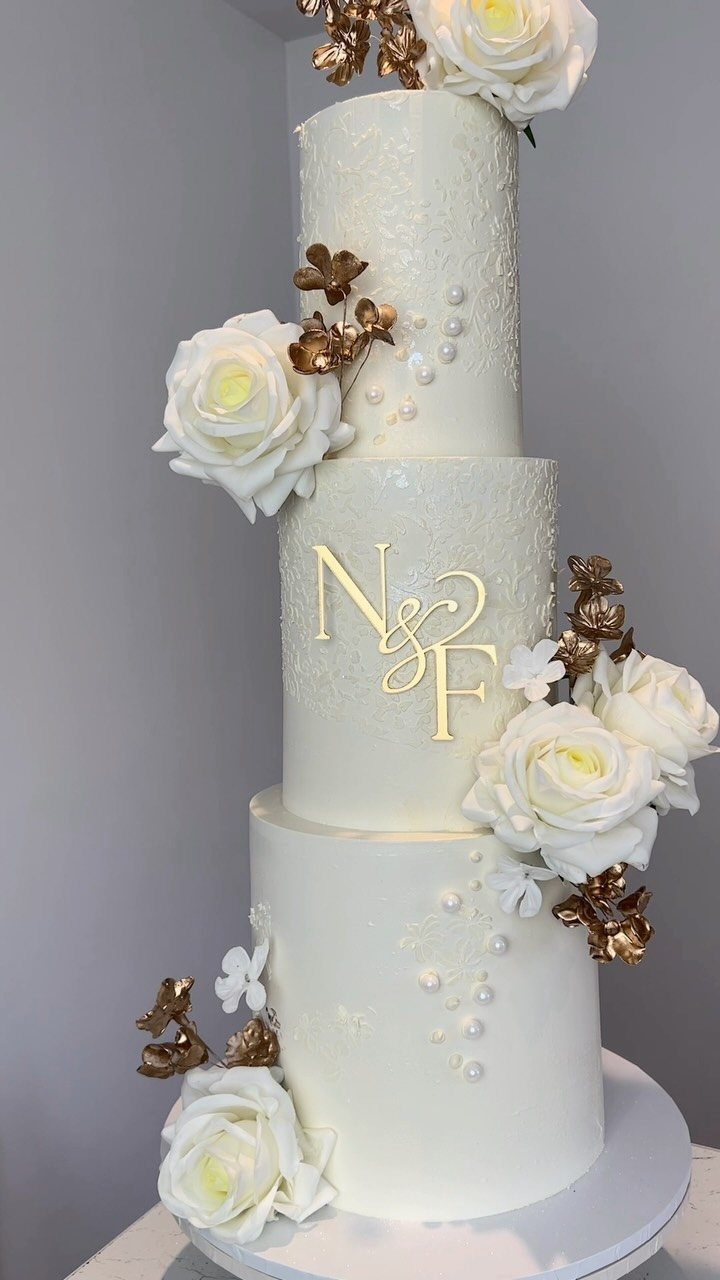
A three-tier cake dressed in white roses, gold leaves and pearls, topped with the couple’s gold initials, tells guests whose wedding they are at before anyone cuts a slice.
Pick one accent color and repeat it, as gold does here, so the cake matches your invitations and flowers.
Initials are a small custom touch that cost far less than a sculpted design. I would spend on the look of the cake and keep the flavors simple.
17. Fruit and Cheese Pairings
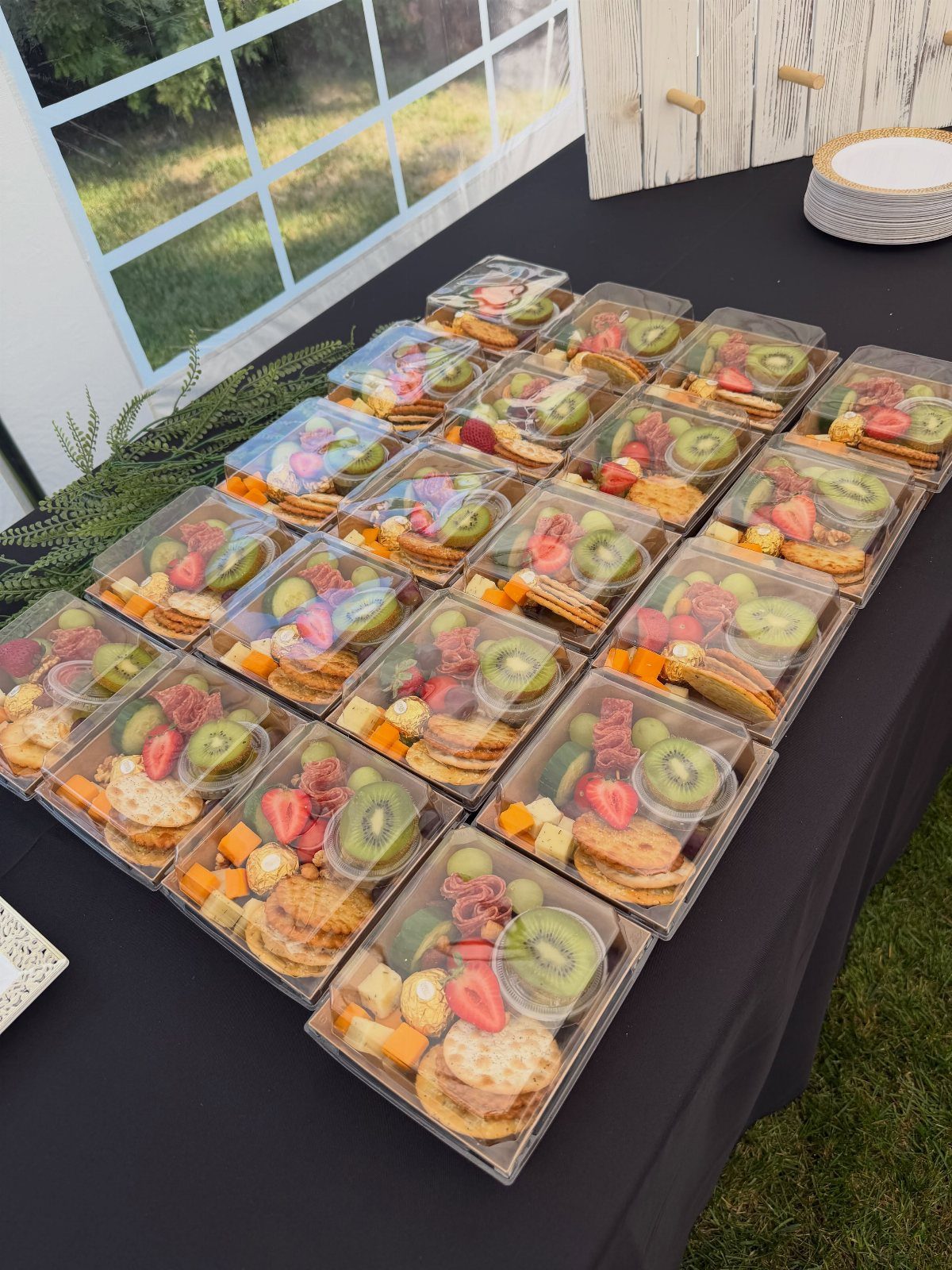
Fruit and cheese pair well because sweet and salty balance each other: strawberries, grapes and sliced kiwi next to cheese cubes and crackers.
Pack single portions in clear cups or boxes, and guests grab one without touching a shared board.
That also makes it easy to count servings against your guest list. Cut fruit shortly before service, and keep boxes shaded if the reception is outdoors.
18. Miniature Bites and Tapas
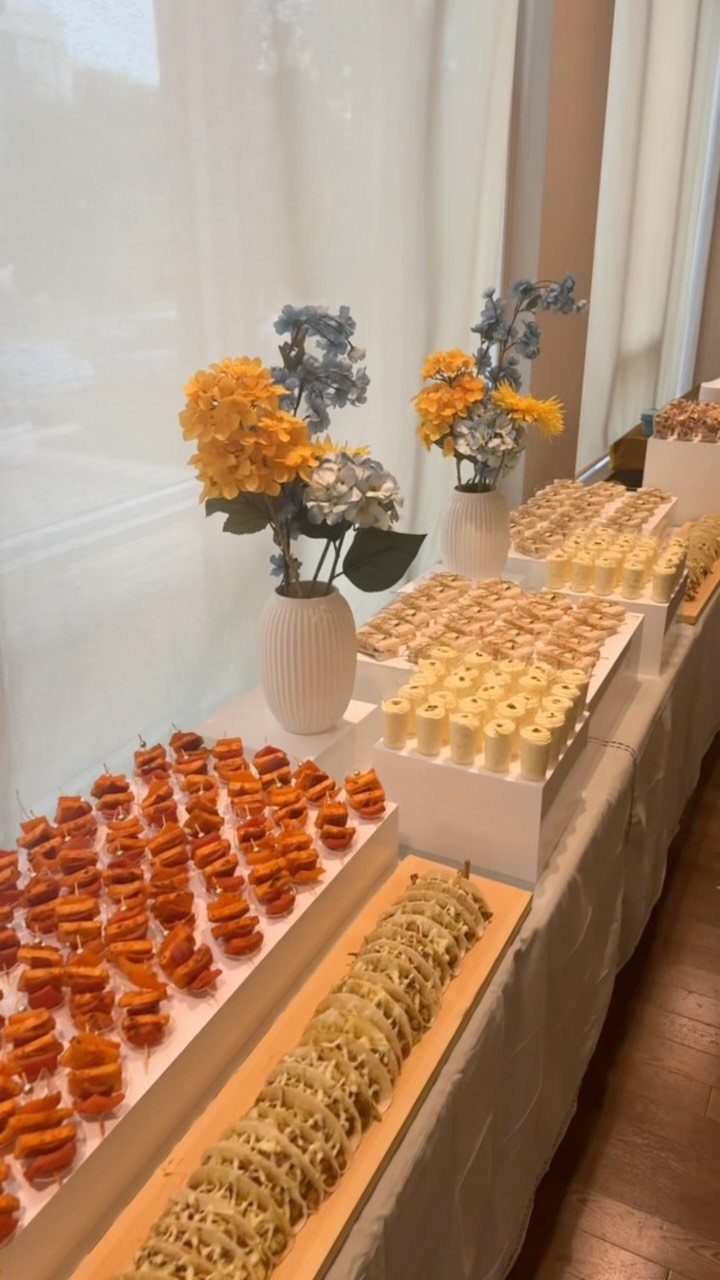
Mini tacos, small appetizers and dessert cups let guests taste several things without filling up, which is the main reason I like small plates for a reception.
Put savory and sweet bites on the same table, and guests can graze between dances instead of sitting down for a course. Ask the caterer how many pieces to plan per guest, since bites disappear faster than a plated course.
19. Charcuterie Grazing Tables
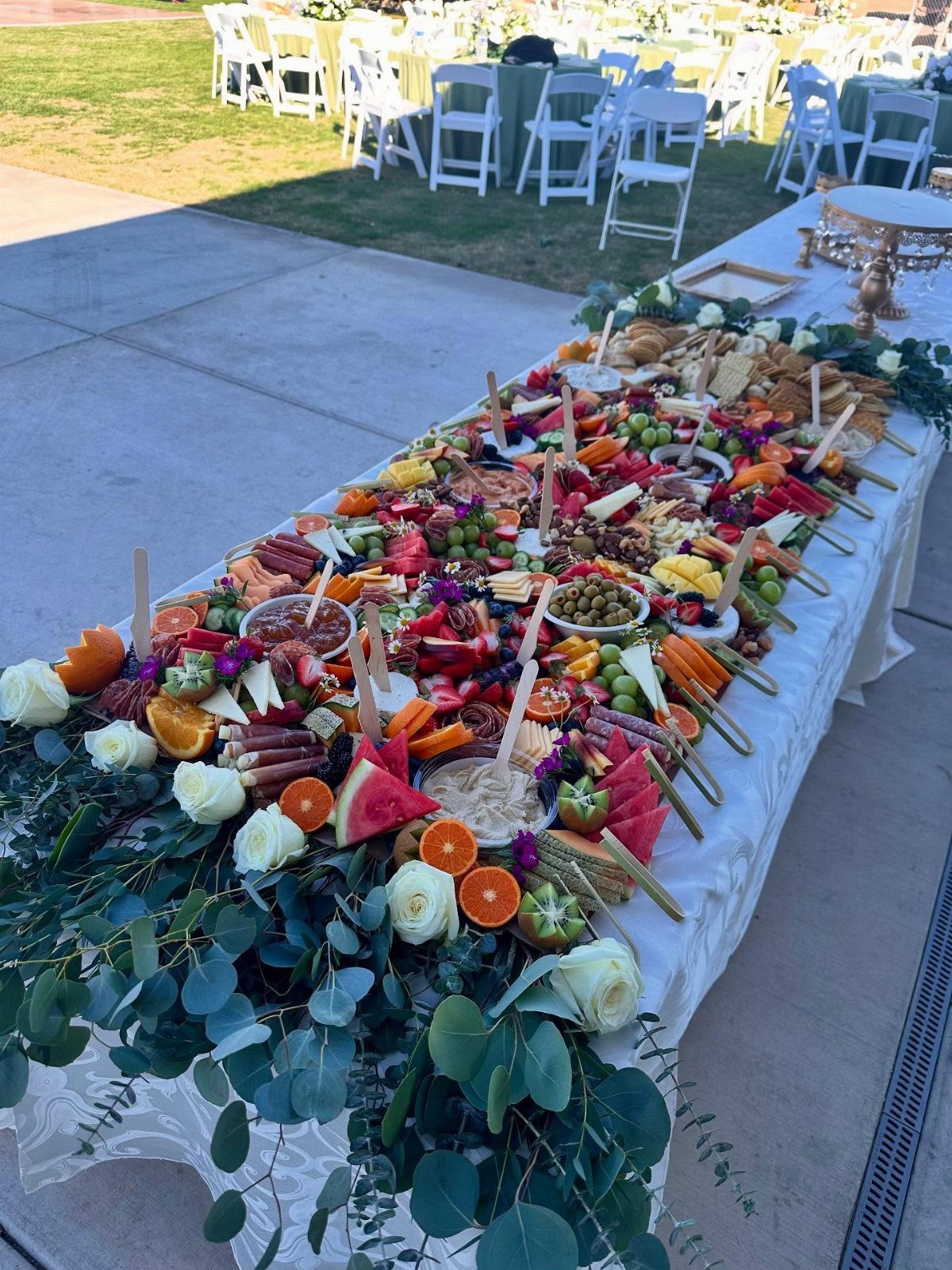
A grazing table replaces a plated first course with one long spread of meats, cheeses and fruit, and guests drift up whenever they like.
Greenery and white roses tucked between the food, as eucalyptus and roses are here, mean the table needs almost no other decor.
Cover it with a plain white cloth and keep the layout loose, with fruit between the cheeses so no corner looks bare.
I would put it at cocktail hour so people have something to eat while the photos happen.
20. Food Trucks
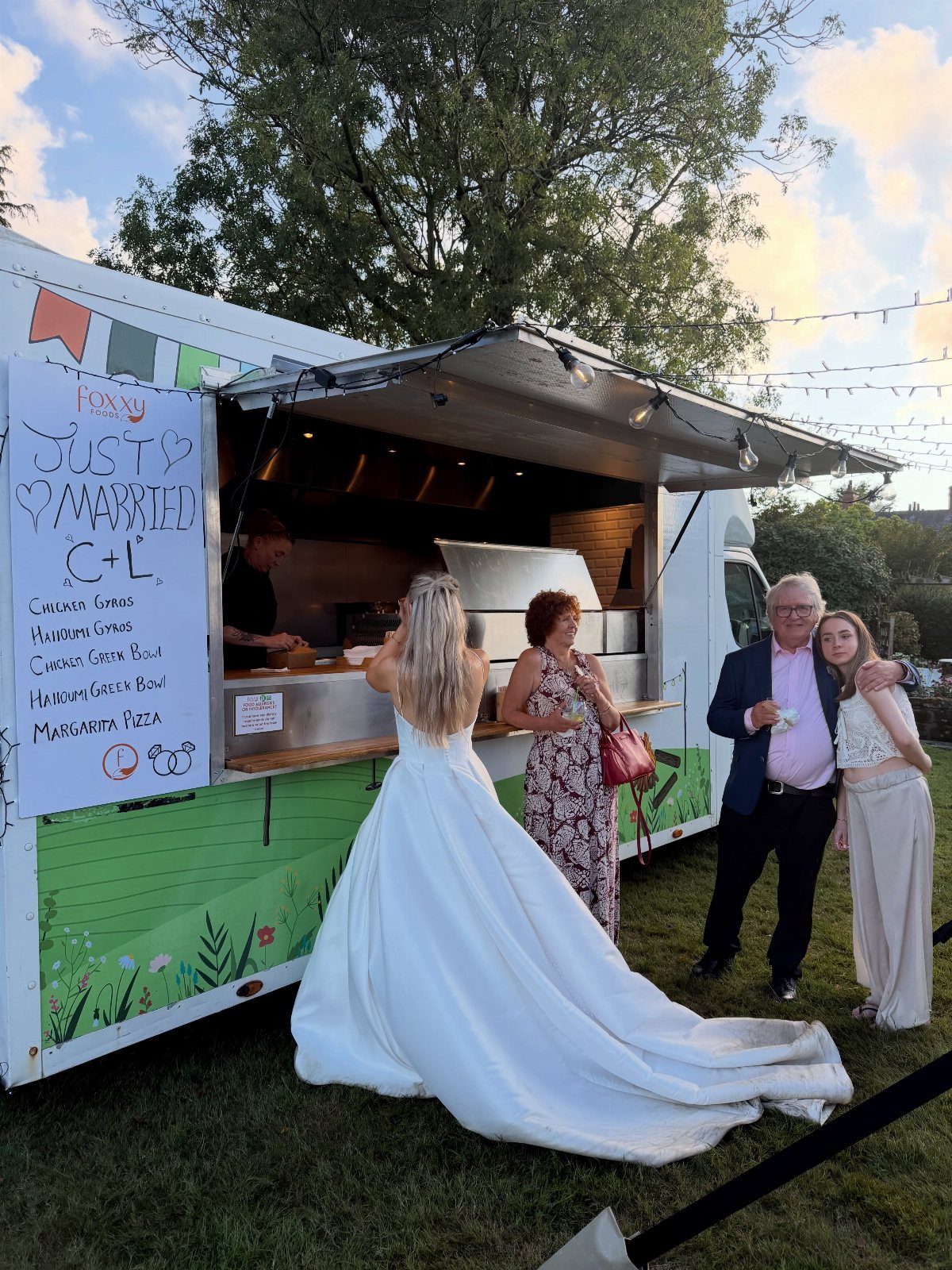
Food trucks make the meal feel like a casual night out, and a sign with the couple’s initials and a short menu, say chicken gyros and margarita pizza, ties the truck into the wedding itself.
Guests order for themselves, so picky eaters sort themselves out. Choose a menu of two or three items and print it on the sign so lines stay short.
Ask the truck how many guests it can serve at once, and consider booking two if the guest list is large. Park it where the line will not block the walkway.
Tips for Serving Food
Heat is the first thing to plan around in warm months.
Cream-based sauces, soft frosting and anything built on mayo tend to break down in the sun, so ask your caterer which dishes on the menu can sit outside without wilting or spoiling.
A line of guests shuffling past one long table moves slowly; plated portions or several smaller stations spread people out and cut the wait.
If the venue space is tight, a live-action station can make better use of the room, so ask whether your caterer handles those and knows the local permit rules.
Staffing matters as much as the food. Make sure there are enough people to keep trays replenished and tables cleared, or the best menu still looks tired by the second hour.
If the party is outdoors, line up a rain backup, such as a tent or an indoor room, well before the wedding weekend. Decide where the food moves if it rains.
Label dietary options clearly, and keep a running list of guest allergies to hand to the caterer.
Budget-Friendly Catering Tips
Catering is usually the biggest line in the budget after the venue, and a traditional full-service meal can cost $75–150 per guest. That range is why the choices below carry so much weight.
Buffets and serving stations need fewer staff and let the kitchen cook in big batches, so labor costs drop along with food costs.
Pick an off-peak date. Book a Friday, Sunday or off-season date and you will often see a lower quote, since caterers would rather discount an open date than leave it empty.
Build the menu on filling, affordable staples like rice, potatoes and vegetables. Guests leave full, and your budget stays intact.
Look for a venue that treats its food program like a restaurant, rather than a catering hall.
— Delish
Personalizing Your Menu
Settle on one theme first, and the menu choices start to narrow themselves. Foie gras and cheese grits may both be favorites, but they do not belong on the same plate, and a shared idea keeps the dishes working together.
A dish from your family’s kitchen carries meaning, and it hands guests a story to repeat at the table. Ask your caterer whether they can scale it for a full guest list.
Your own history works too: a dish from a trip you took together or a meal you keep coming back to can anchor a course. A heritage cuisine like Mexican, Italian or Japanese works the same way.
Offer vegetarian, vegan and gluten-free options so every guest has something to eat.
Bring your theme up when you interview caterers. A skilled one can shape the menu around it, and you will learn quickly whether a chef is up to the task.
Frequently Asked Questions
What is the cheapest thing to cater for a wedding?
Buffets and food stations cost the least: they need fewer servers, and the kitchen can cook in large batches, which lowers both labor and ingredient bills.
Rice, potatoes and seasonal vegetables fill plates fast, so a menu built around them keeps guests full without pushing the total up.
What food is best for a wedding reception?
Pick food that holds its quality under a warming tray and appeals to most guests, like braised short rib, herb-roasted chicken, salmon, or a taco or carving station.
Stations let each guest build something safe, which handles mixed tastes and diets. Dishes that fall apart unless they hit the plate seconds after cooking belong in a restaurant, not on a reception line.
How many appetizers do I need for cocktail hour?
For a one-hour cocktail reception, I’d count on 4–6 bites for each guest.
Should we serve a late-night snack at our wedding?
I’d say yes when the party goes past 9:30 p.m. and the bar stays open. Guests who spent the meal on the dance floor are hungry again by then, and a simple warm bite is what they want.