These rings run from a stack of slim bands you add to one anniversary at a time to a gold skull with a full ribcage, and from a wisdom tooth held in prongs to filigree that looks generations old.
What decides your pick is how much of the ring you want to carry meaning versus sparkle: if you skip stones, an engraved fingerprint or a hammered black zirconium band does the work, and if you want color, an opal or a salt and pepper diamond does it.
Whatever you choose, the jeweler’s skill with unusual materials matters more than the idea itself.
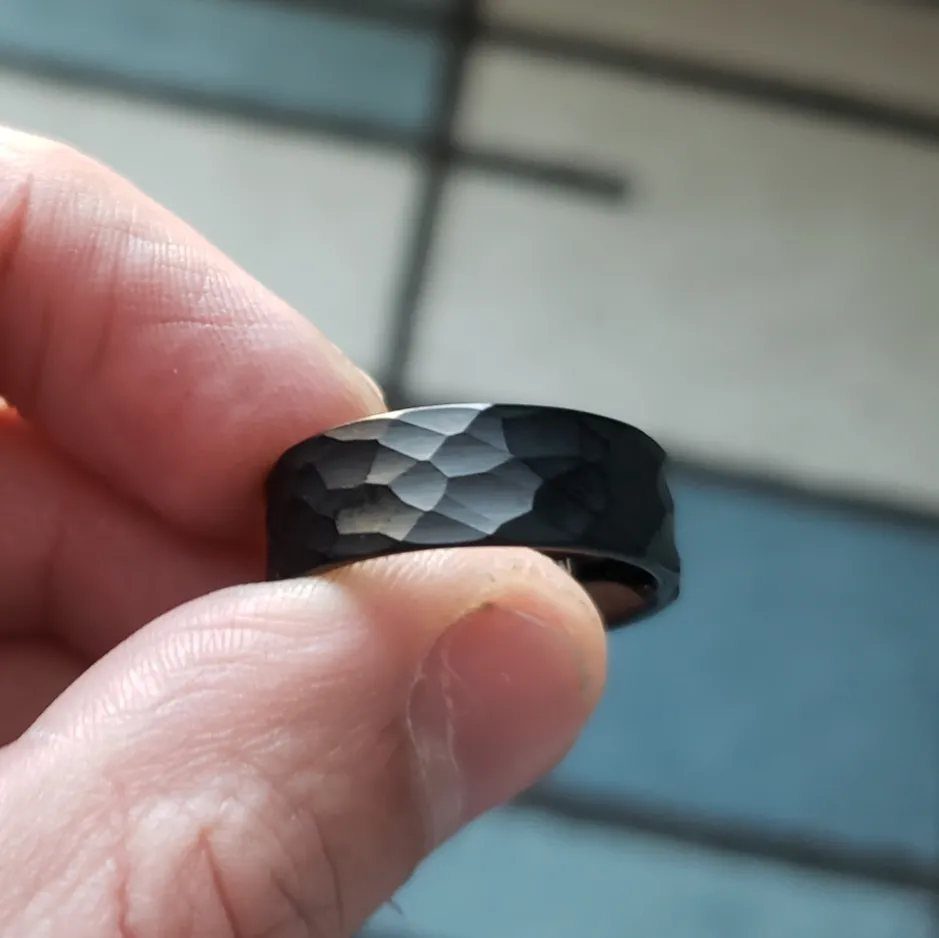
1. HYPOS Black Zirconium Hammered Wedding Band
Black zirconium is the choice for anyone who wants a band that looks nothing like gold or platinum. The hammered finish breaks the surface into small facets, so the dark metal catches light in patches instead of one flat sheen.
For a groom or anyone who skips diamonds, I would pick this over a plain black band. Texture hides everyday scuffs better than a smooth finish does.
2. Rose Gold and White Gold Rings
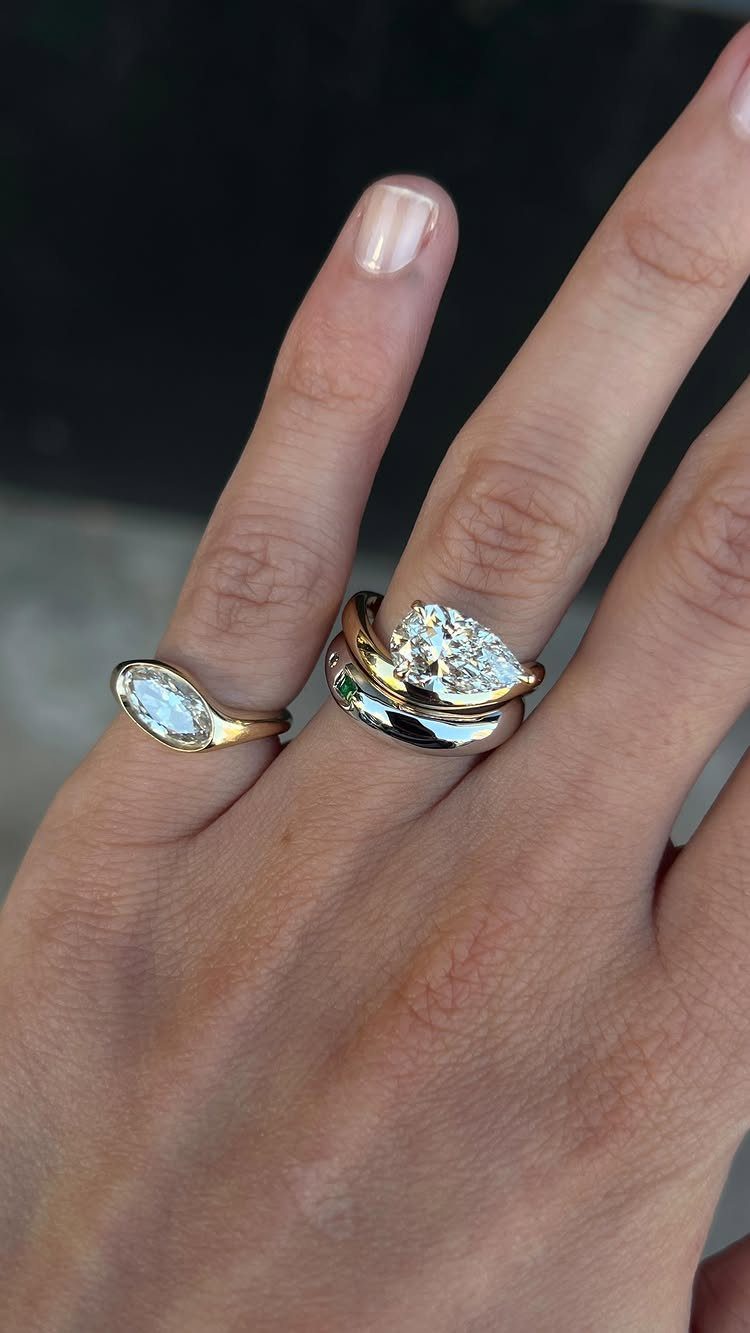
Mixing rose gold and white gold on one hand gives you warmth and cool contrast without committing to a single metal.
I like keeping the center stone’s metal as the dominant one and letting the second tone appear in the bands. Bring the pieces to the jeweler together so you can check that the shades look intentional next to each other.
3. Stackable Bands
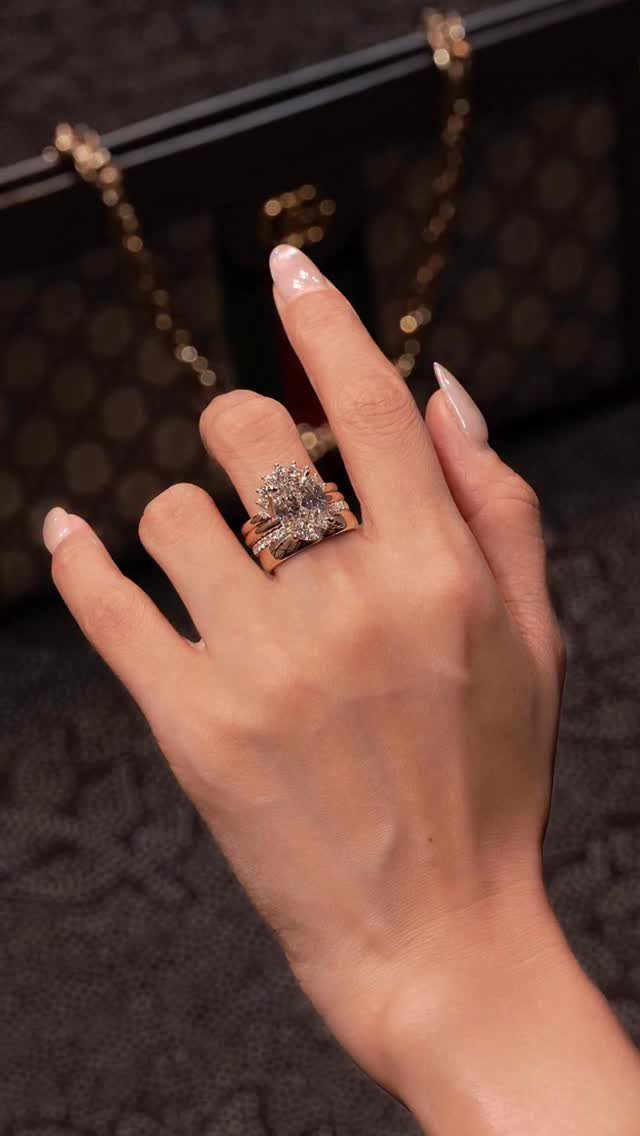
Three slim diamond bands worn together read as one piece, and you can build them over time. Start with the first band at the wedding, then add one on each anniversary or after a milestone.
Budget is the real advantage: three thin bands can be bought separately, so the cost spreads across years instead of landing on one deadline.
Buy them in the same metal and check the fit as a stack, since thin bands can shift or spin against each other if sizing is off.
4. Wisdom Tooth Ring
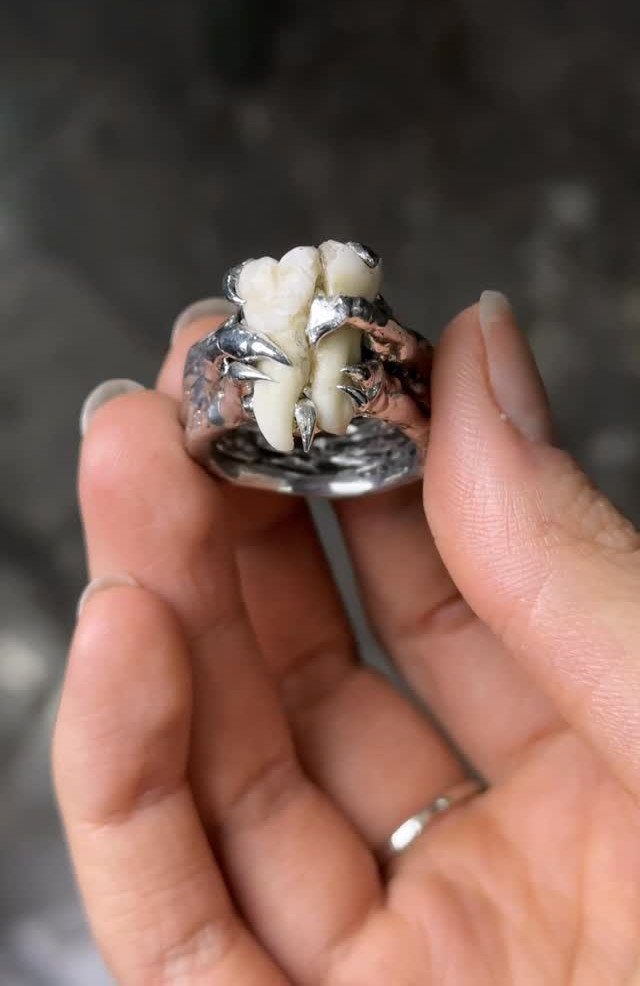
A real tooth in a silver ring, held by claw-like prongs, is as personal as jewelry gets.
It works best for a couple with a sense of humor about the whole thing, and it gives a rehearsal dinner a story nobody else will have.
Prongs matter more here than with a diamond, because a tooth is a natural, irregular shape. Ask a jeweler who has set unusual materials before you hand anything over, and expect to ask about sealing and care.
5. Pop Culture Rings
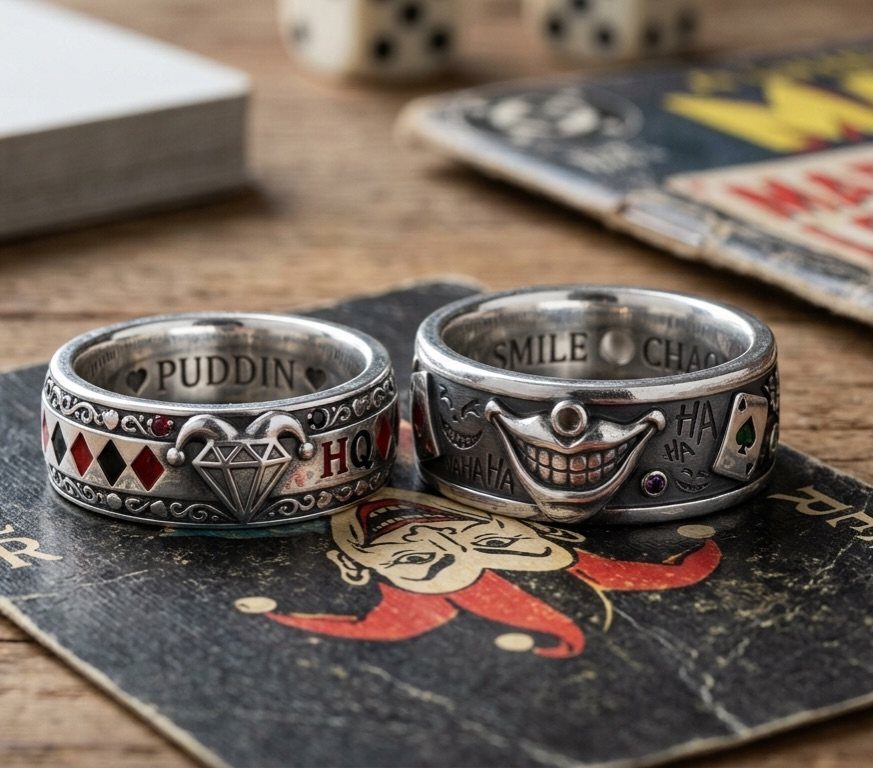
Rings built around a favorite villain, game or show turn an inside joke into jewelry.
My advice: pick one detail you will still love years from now, such as a word or a symbol, and keep the rest of the ring simple. Custom work takes lead time, so order well before the wedding.
6. Salt and Pepper Diamond Ring
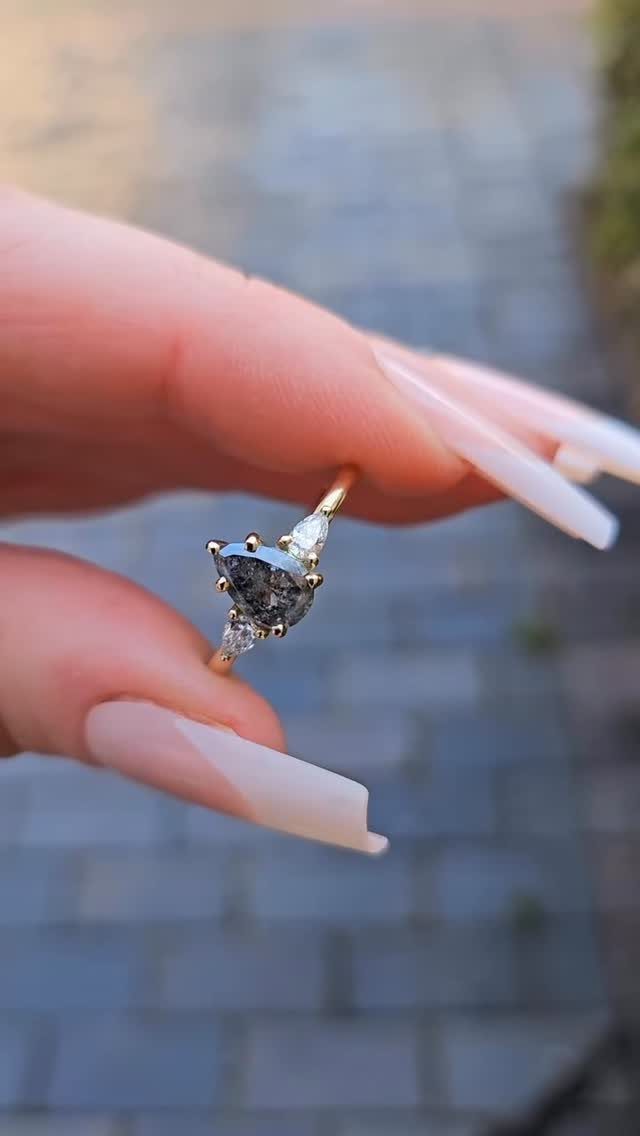
Salt and pepper diamonds are prized for the very flecks that a traditional buyer would reject: light and dark inclusions that make each stone one of a kind.
One example pairs a 0.97ct pear-shaped stone with 0.20ctw of side diamonds in 14ct yellow gold, according to its maker.
Yellow gold flatters the smoky tones, and I would choose it over white metal here. View the stone in person or in video under daylight, since no two read alike.
7. Opal Ring
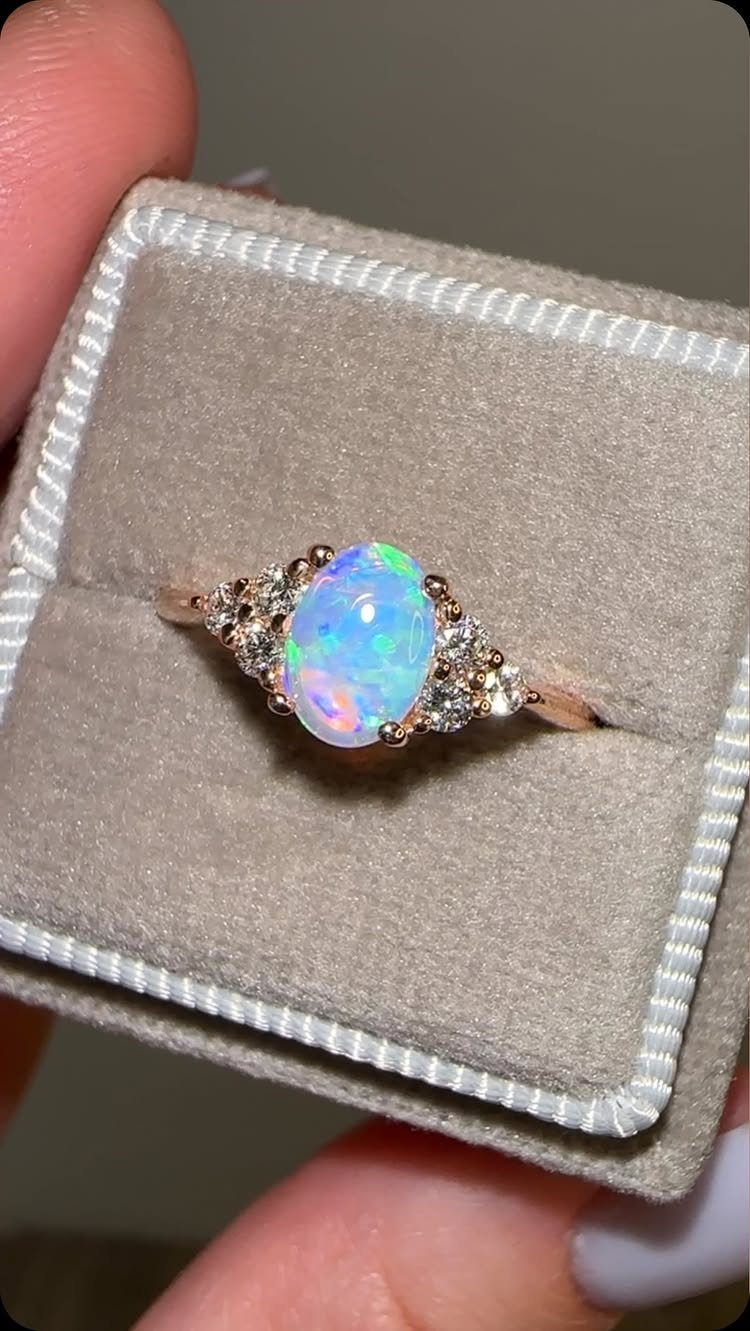
Opal gives a ring something diamonds cannot: shifting color that changes with the light and the angle of your hand.
An oval opal set in rose gold with small diamonds at the sides keeps that play of color warm and soft.
I would pick this for a couple who wants color without a bright colored gemstone. Look at the stone in daylight and indoors before you buy, since the flashes read differently in each.
8. Engraved Fingerprint Wedding Band
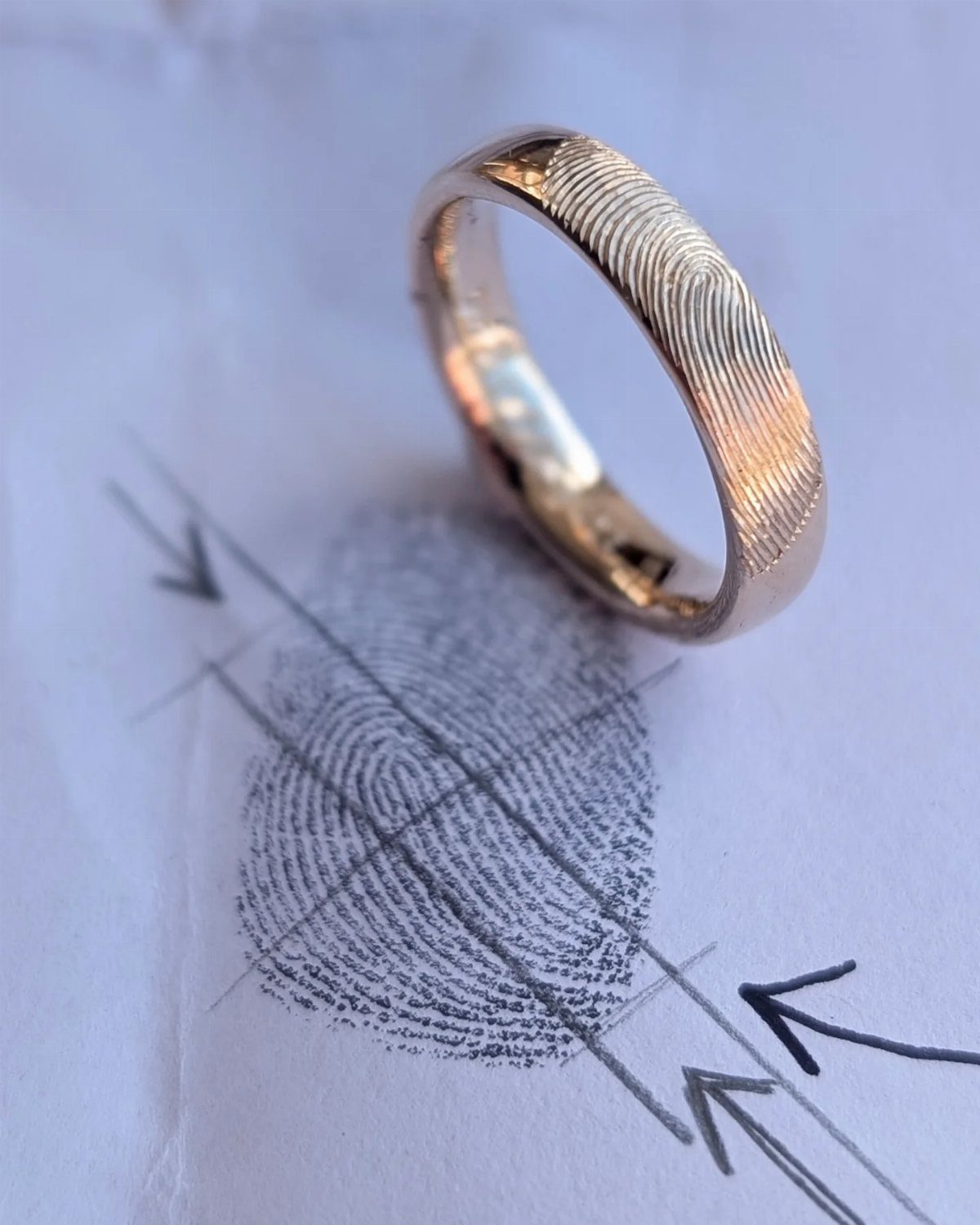
A band etched with a real fingerprint turns a plain silver ring into a record of one person. Pressing your partner’s print, or your own, into the metal means nobody else will ever own the same design.
I like it for couples who skip stones and want meaning over sparkle. Give the jeweler a clean, clear ink print on paper, and ask to see a proof of the pattern before any engraving starts.
9. Skull and Ribcage Band
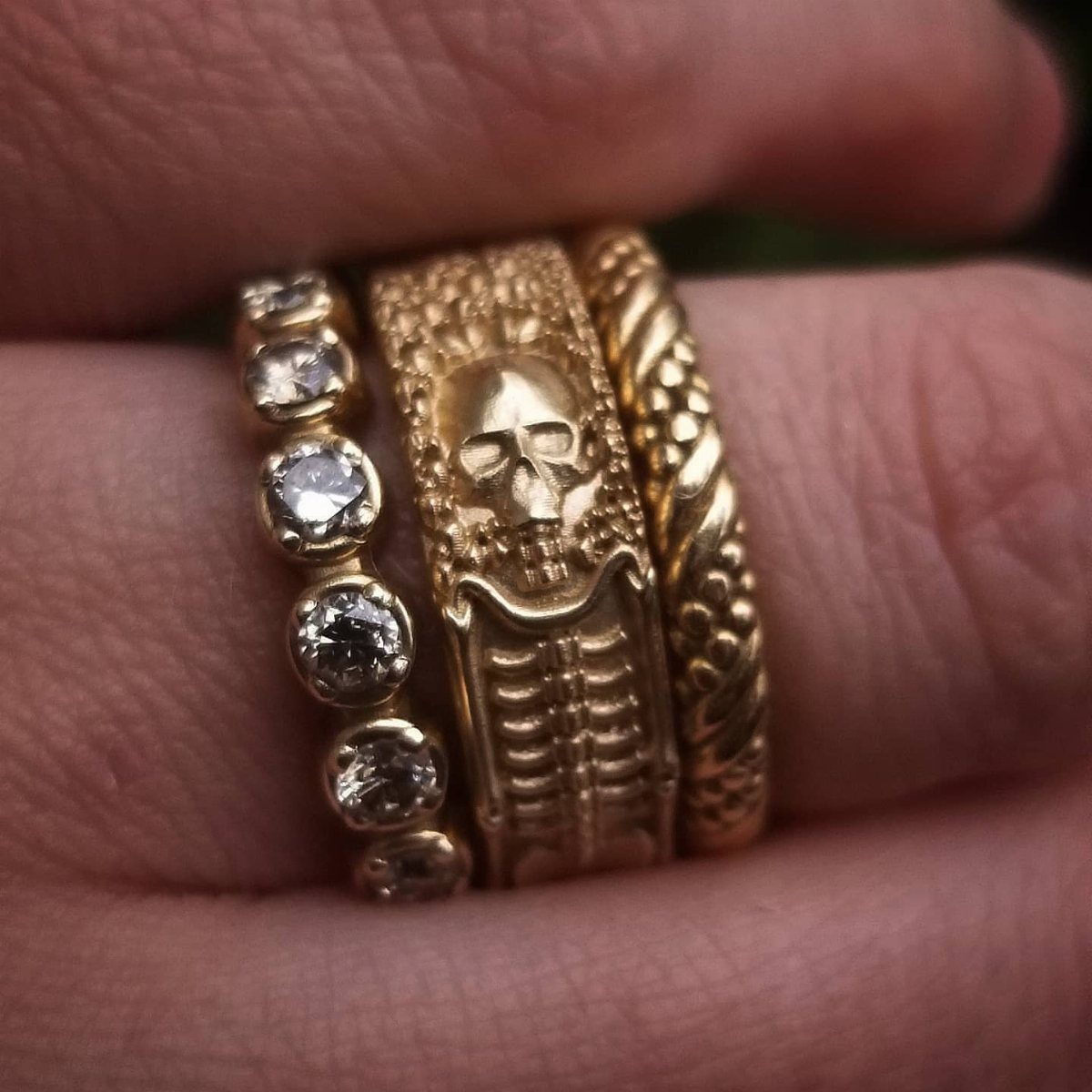
A gold skull with a full ribcage wrapped around the band is the boldest pick in this category, and it suits couples who treat the wedding as a statement rather than a tradition.
Worn beside a braided band, it stays balanced instead of heavy.
Detailed work like this takes a jeweler with real casting skill, so ask to see finished pieces first. Expect the price to reflect the labor in gold.
10. Ornate Engraved Filigree Bands
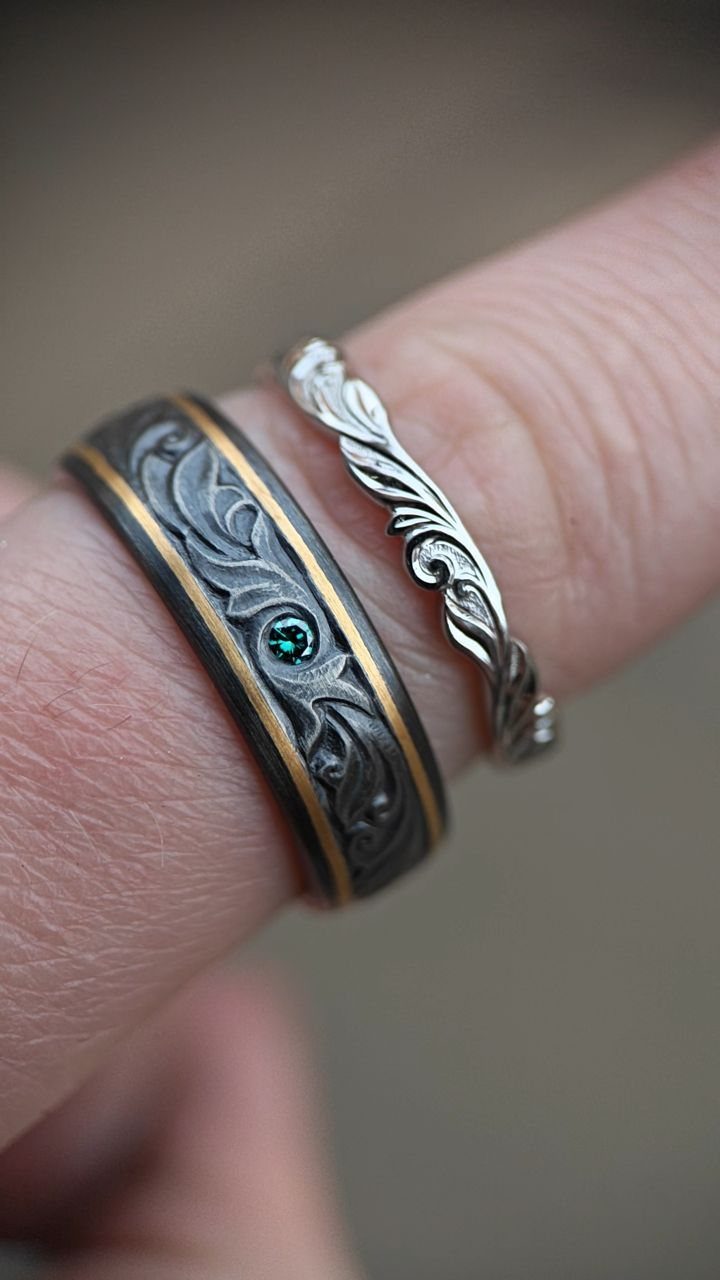
Swirling leaf engravings, black enamel-style panels and gold trim make these bands feel like heirlooms from another century.
A small green gemstone gives the wide band one point of color, while a thin silver band beside it keeps the pair from looking too busy.
I would let one ring carry the ornament and keep the other plain, so the filigree has room to read and the pair doesn’t compete. Deep engraving collects grime, so plan on regular gentle cleaning.