The list runs from pearl-and-diamond pieces and dangling earrings to eternity bands and full bridal sets, and the stone count and the metal drive most of the price.
Wherever the eye lands first, at the ears, the neckline and the ring finger, is where I would put the money, and the rest can stay simple.
Mixing golds is the quickest way to make a set look accidental, so pick one tone, or commit to two-tone on purpose, and keep 14k and 18k from sharing a hand.
1. Bridal Jewelry Sets
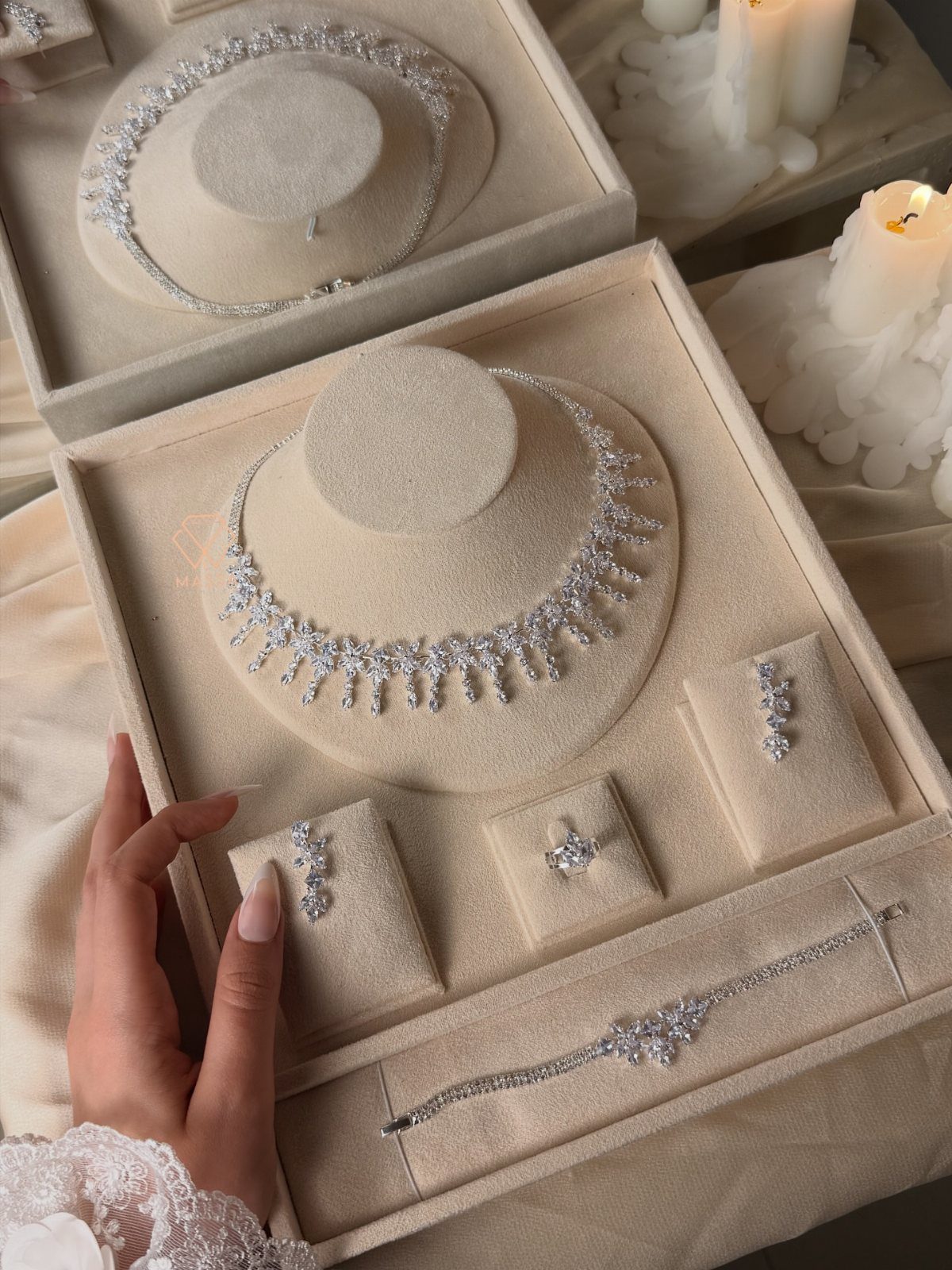
A matched set solves the problem of pieces fighting each other. Necklace, earrings, ring and bracelet cut from the same design language mean the sparkle reads as one decision instead of four.
I would buy the set when the budget allows one purchase, and skip a bracelet if you are trying to save, since a veil, sleeves or a bouquet often hide it anyway.
2. Yellow Diamond Jewelry
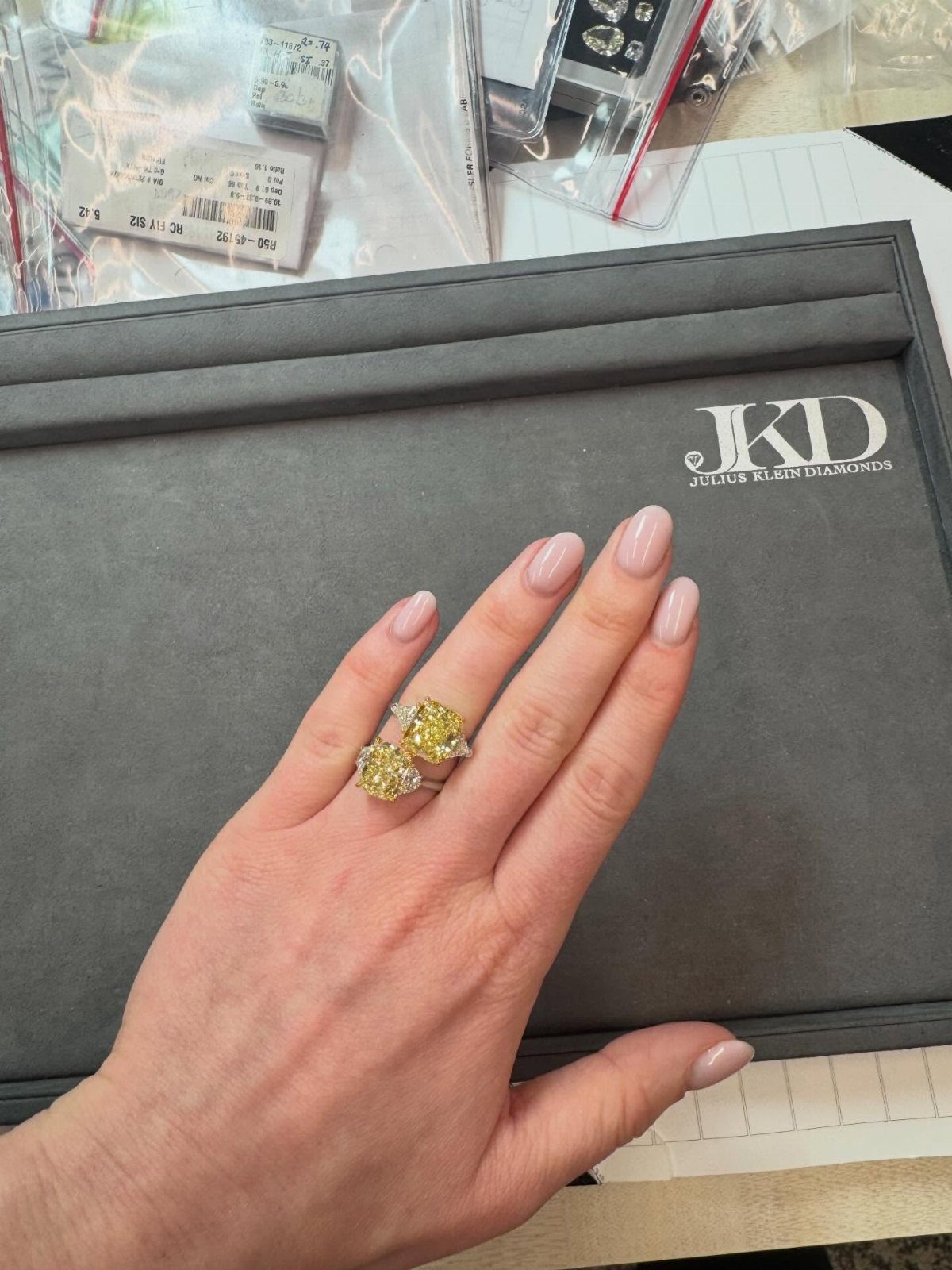
Two yellow diamond rings stacked on one finger make a stronger statement than one, and that is the way I would wear them. The color warms the hand in a way white stones cannot.
Pair yellow with a plain white diamond band if you want a clear focal point. Because the stones are colored, ask to see them in daylight before you commit, since store lighting flatters everything.
3. Dangling Earrings
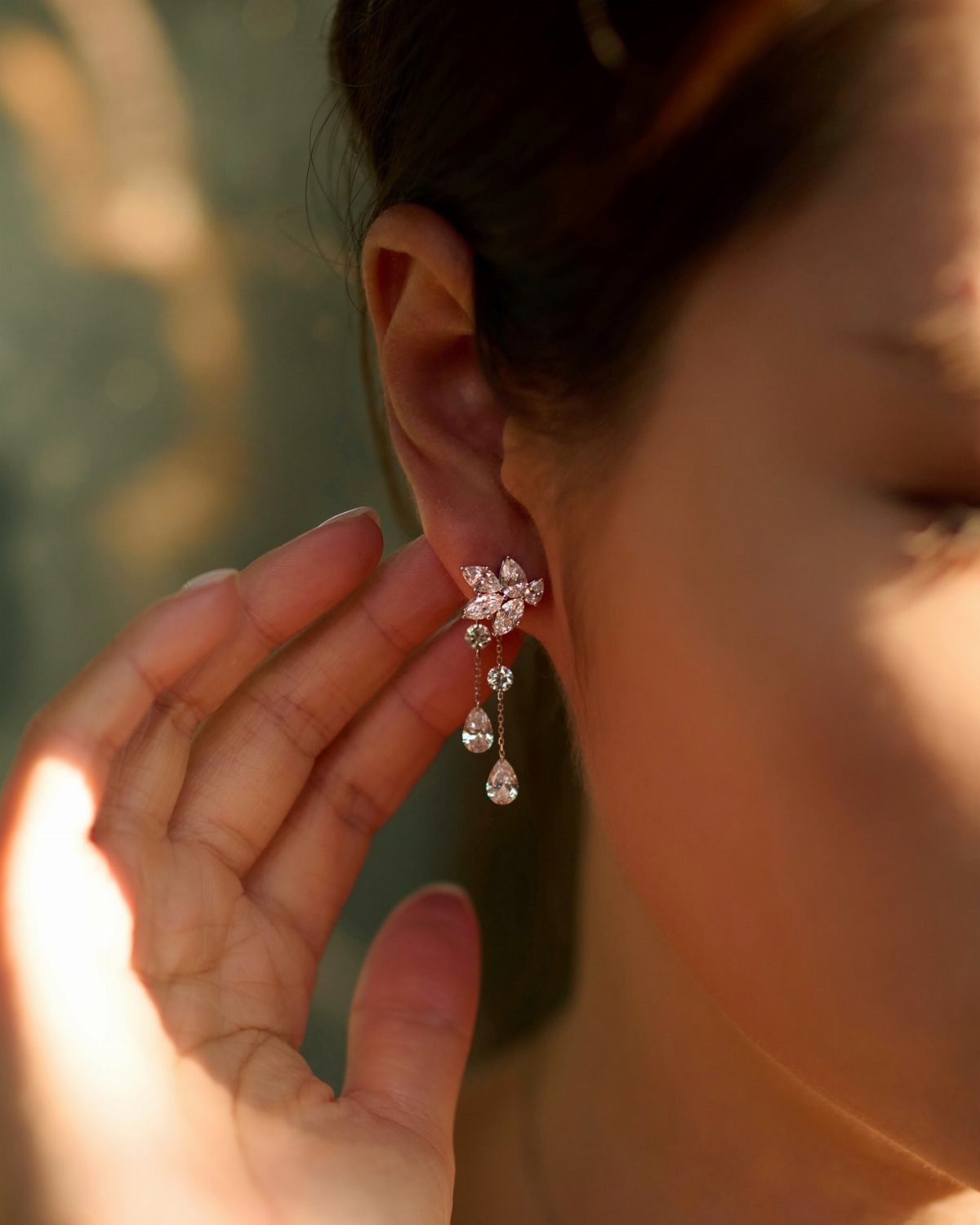
Earrings with a diamond stud on top and drops below move when you turn your head, which is why photographers love them. That motion catches light in a way a plain stud never will.
Choose them when your neckline is simple or your hair is up, because a busy collar and long drops compete. If you wear a necklace too, keep it thin so the earrings stay the star.
4. Pearl and Diamond Jewelry
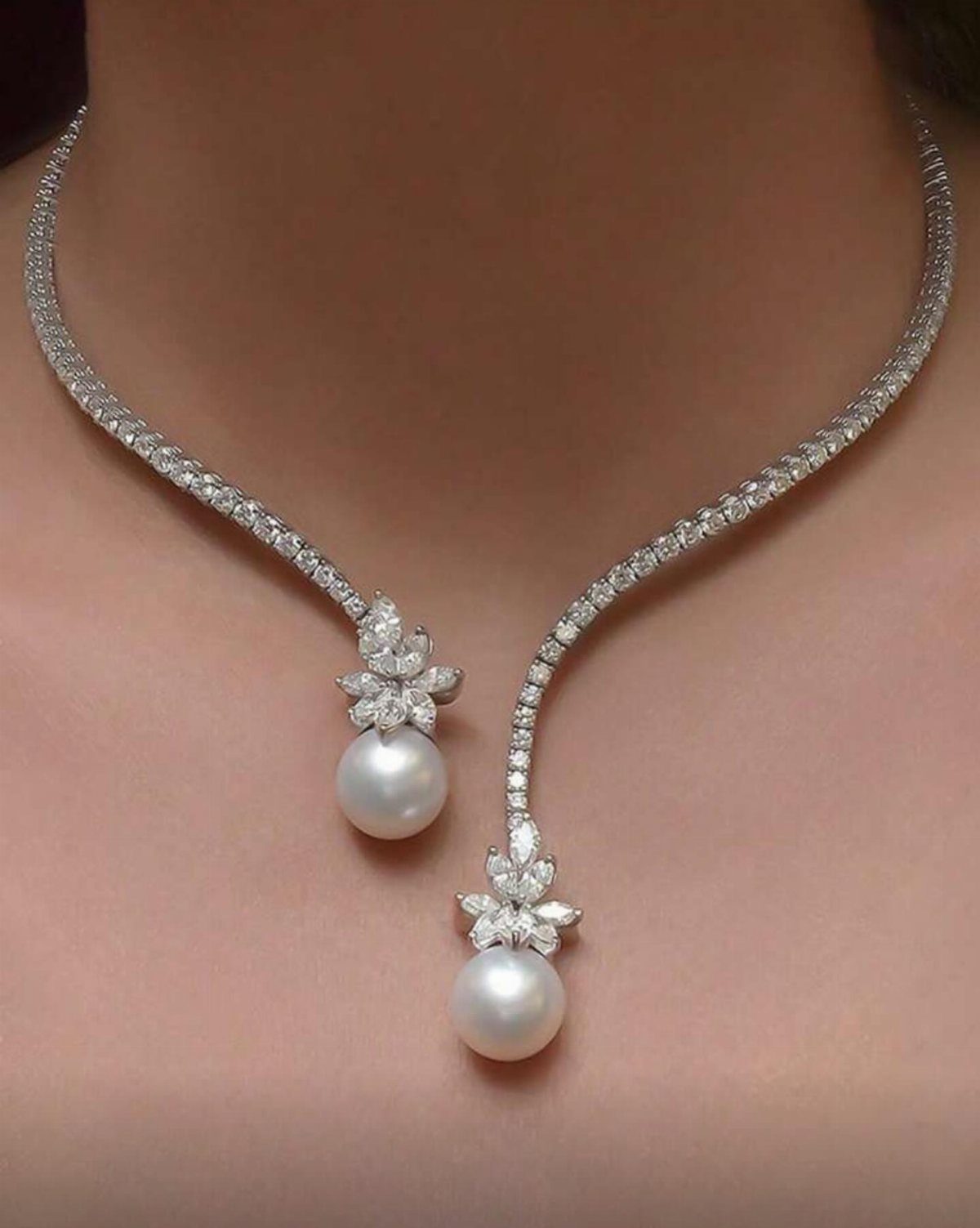
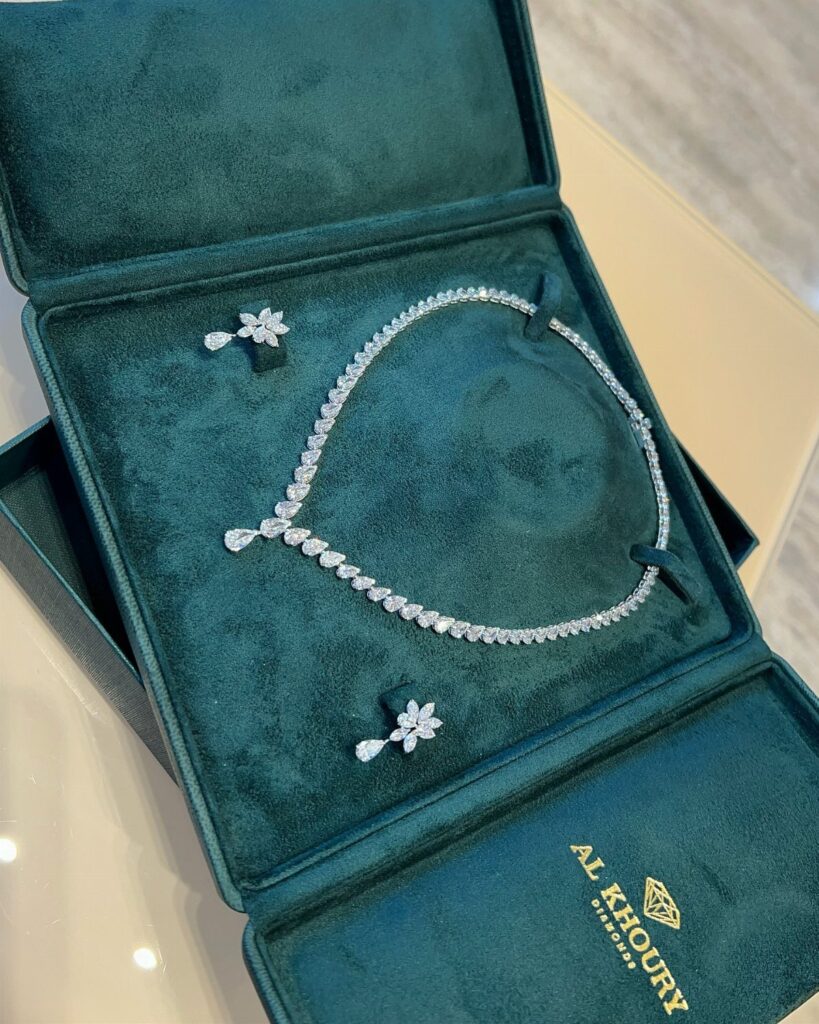
Pearls soften diamonds. A necklace that sets 2 white pearls among small diamonds and floral accents feels romantic without the full glitter of an all-diamond piece.
I like this for brides who find pure diamonds a bit cold, and for anyone wearing a classic ivory or white gown, where pearls blend in naturally. Keep earrings minimal, maybe plain studs, so the necklace does the talking.
5. Gold and Diamond Jewelry
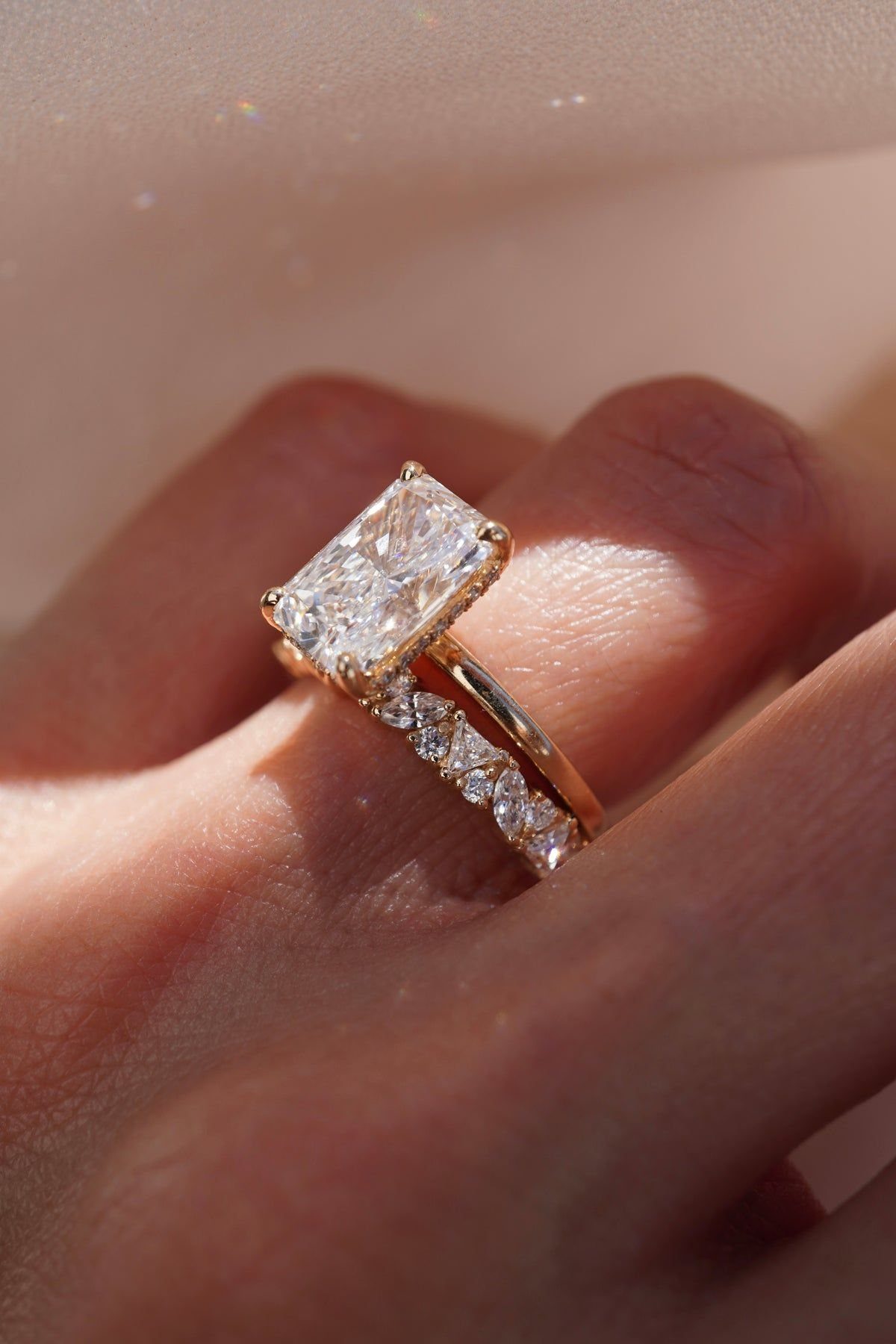
Gold changes how a diamond looks: it warms the stone and gives the whole ring a richer, softer tone than white metal. A large diamond with a gold wedding band that matches it looks deliberate, not assembled.
If you go this way, buy the engagement ring and band together or at least match the gold shade exactly. Mismatched golds show up fast side by side.
6. Diamond Engagement Rings
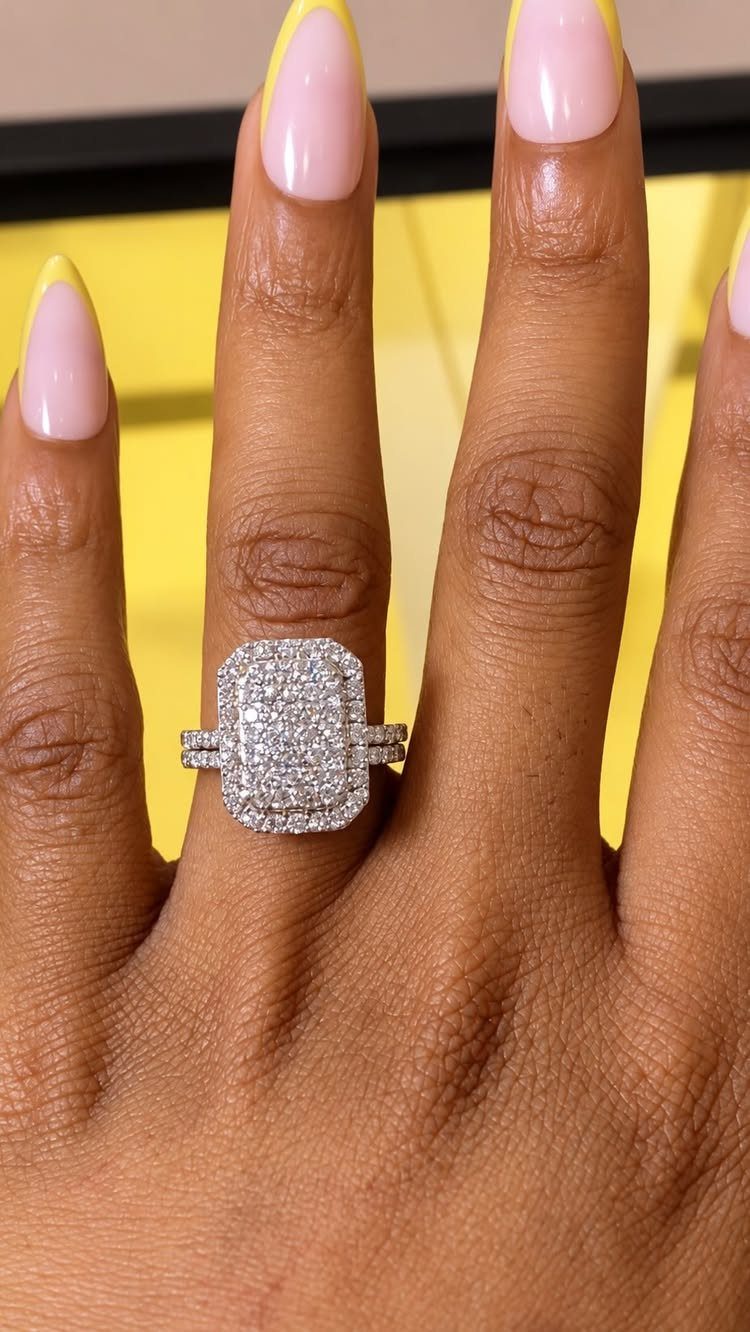
A rectangular center stone with a pavé band gives you size on the hand and sparkle all the way around. It is the engagement ring most people picture, and for good reason.
One option to price out is a bridal set in 18 karat gold, offered by the maker of this ring in either natural or lab-grown diamonds.
Lab-grown usually costs noticeably less, so it is the first lever I would pull if the number is tight.
7. Diamond Wedding Bands
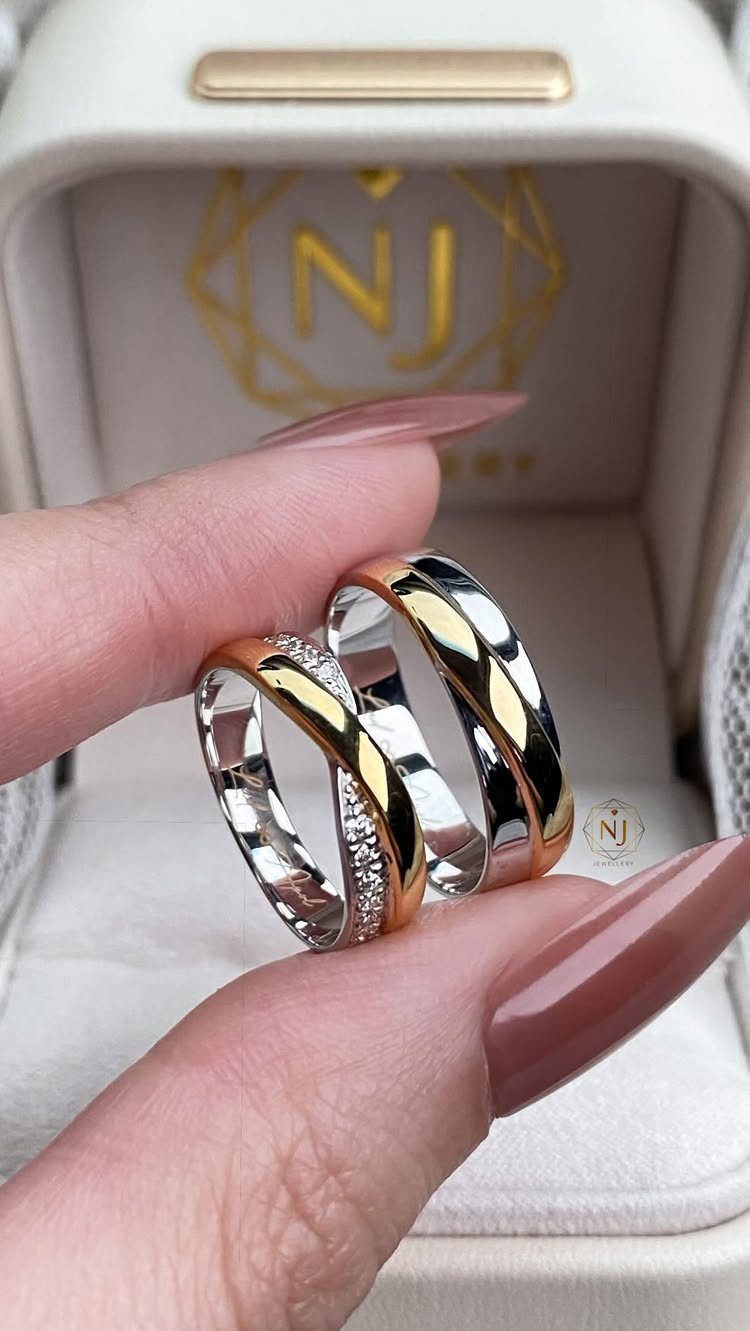
Two-tone bands are the easiest way to make a matched pair feel personal. One band carries the diamonds and the other stays plain, so each ring suits the hand that wears it while the metals still tie them together.
The maker of this pair offers 14k or 18k in yellow gold, white gold, rose gold, or two-tone. On a smaller budget, 14k is my pick; 18k costs more but gives you a richer color.
If you already own a gold engagement ring, match the shade before you pick the band.
8. Eternity Bands
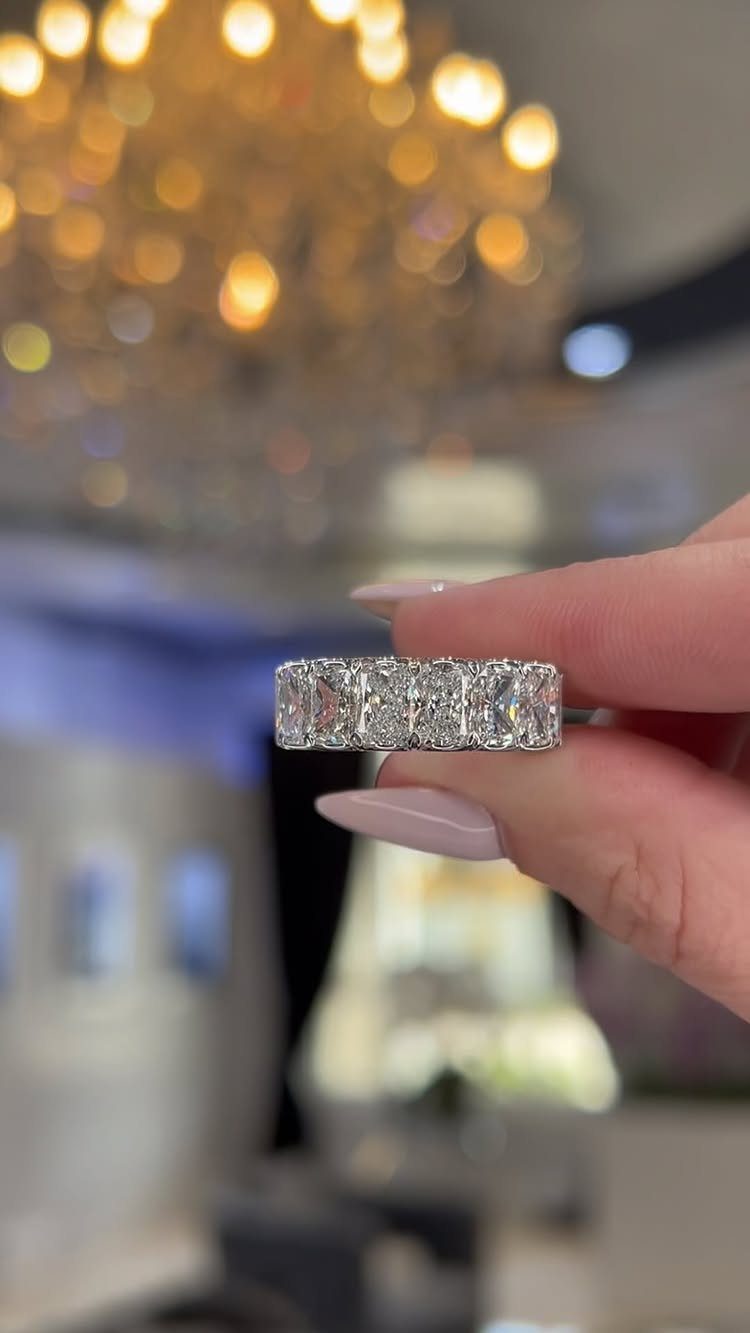
Square-cut stones set all the way around give an eternity band a clean, architectural line. Nothing interrupts the sparkle, so the ring catches light from every angle.
I would wear it alone or beside a plain engagement ring, since a busy partner competes with it. Try it on first, because a full circle of stones cannot be resized the way a plain band can.
Matching Jewelry
Pick one metal tone and hold it across every piece you wear.
Repeating a shape is the easiest way to match without buying a boxed set. If the earrings are teardrops, a teardrop pendant ties them together even when the pieces come from different makers.
Rings follow the same rule. A round solitaire beside a diamond band in the same metal looks like a pair, so check the two side by side in person before you pay.
Keep one piece as the lead.
Choosing the Right Jewelry
Start with the neckline of the dress, then choose the necklace. A collar necklace needs open space, while a delicate pendant suits a dress with more detail near the collarbone.
Bring a photo of the dress, or the fabric swatch, to every jewelry appointment. Diamonds read differently against stark white than against ivory, so check the stone against your dress fabric in person, ideally in daylight, and then decide.
Then set a budget for the whole look and split it before you shop. I would spend the most on the piece that gets seen most, usually the ring or the earrings, and keep the rest simple.
Match the formality of the wedding too. A black-tie ballroom can handle a full collar; a backyard ceremony usually calls for something lighter.
Care for Diamond Jewelry
Clean diamond jewelry at home every few weeks with warm water, a few drops of mild dish soap and a soft toothbrush. Lotions, hairspray and skin oils leave a film that dulls the sparkle faster than dirt does.
Soak the piece in warm, soapy water, brush gently behind the stone where grime collects, rinse well and dry with a lint-free cloth. Close the drain first, or wash over a bowl.
Store each piece separately in a soft pouch or a lined box with dividers. Diamonds scratch other diamonds and soft metals like gold.
Take rings off for the gym, cleaning and swimming. Have a jeweler check the prongs about once a year, since a loose setting is how stones get lost.
Frequently Asked Questions
What types of diamond wedding jewelry are available?
Engagement rings, wedding bands and eternity bands cover the rings, and necklaces, earrings and bracelets cover the rest of the look.
You can also buy a matched bridal set, where every piece shares one design. Both white and yellow diamonds work in bridal pieces, and I’d set them in platinum, yellow, white or rose gold, a two-tone mix, or alongside pearls.
How do I choose the right bridal jewelry?
Your dress neckline should pick the necklace for you, so settle that first. Wide collar necklaces want a bare neckline to sit in; a fine pendant suits lace or beading that already crowds the collarbone.
Take a photo of the dress or a fabric swatch to every fitting, because the same diamond reads differently against bright white than against ivory.
Should I buy a bridal jewelry set or separate pieces?
A set is the better buy if your budget allows only one purchase, because the pieces share a design and read as one decision.
On a tight budget the bracelet is the easiest piece to cut, since sleeves, a veil or your bouquet will cover it most of the day.
Buying separately works too if you repeat one metal tone and one shape, such as teardrops.
How do I match my engagement ring and wedding band?
Metal color has to match exactly; 2 yellow golds in slightly different shades look off the moment the rings sit side by side.
Buying the engagement ring and band together is the safest route. Check the 2 rings next to each other in person before you pay.
Is lab-grown or natural diamond jewelry the better choice on a tight budget?
On a tight budget I’d switch to lab-grown first, since the price drop against natural is large for the same look.
Some makers sell the same bridal set in either type. For the metal, 14k gold costs less than 18k, which gives a richer color.
How should I store diamond jewelry?
Keep each piece separate in a soft pouch or a lined box with dividers.
Diamonds are hard enough to scratch one another, and they gouge softer metals like gold too. Rings should come off before workouts, cleaning and swimming, and a jeweler should look over the prongs once a year.