The rings below run from a halo that makes a center diamond look larger than it is to a three-stone setting and a colorful gemstone, and the price follows the gemstone, the metal, and the setting.
Your budget decides which of those three wins, so pick the one you care about most, whether that is the stone, the metal, or the setting, and let the other two flex.
1. Halo Engagement Rings
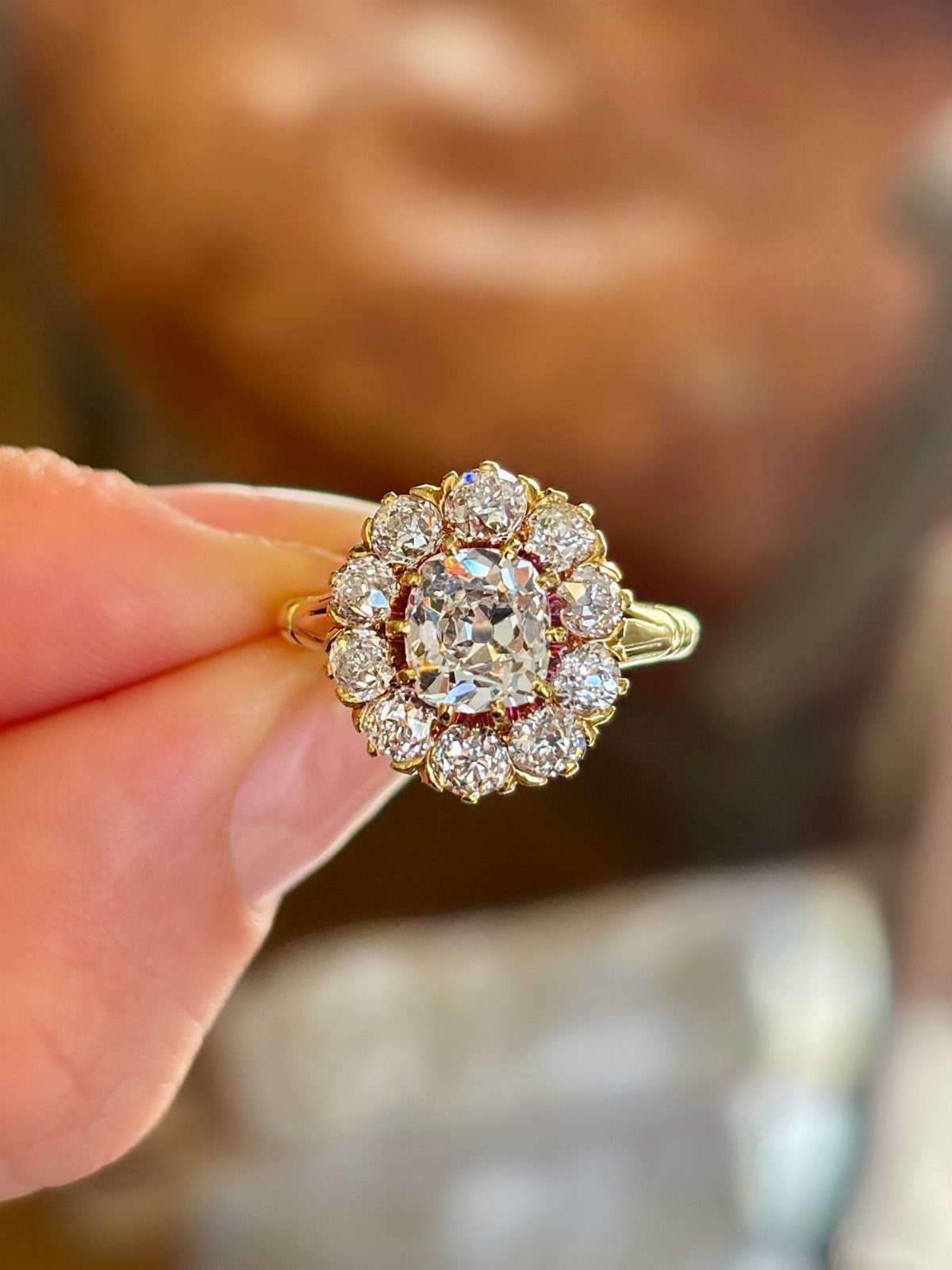
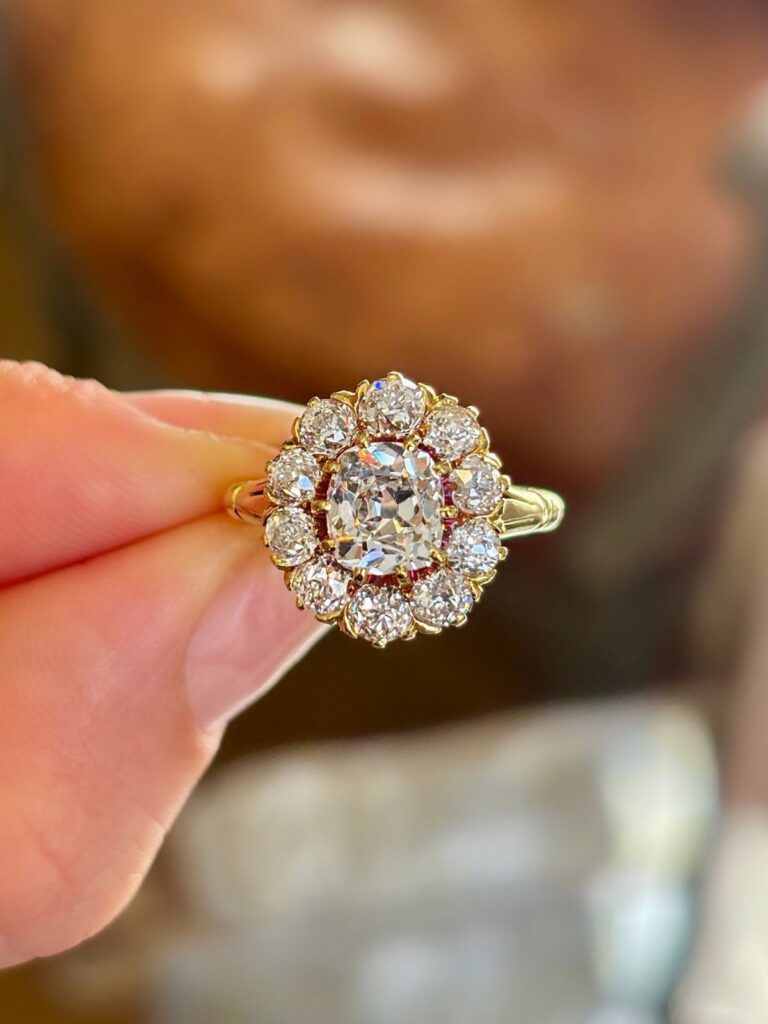
A halo makes the center diamond look bigger than it is, which is why I point budget-minded couples toward it first.
A floral-shaped halo of small diamonds around the center stone makes the whole ring look bigger, so the sparkle stands in for extra carat weight.
A halo means more stones to clean and more prongs to check. Ask for a jeweler’s inspection now and then.
2. Three-Stone Engagement Rings
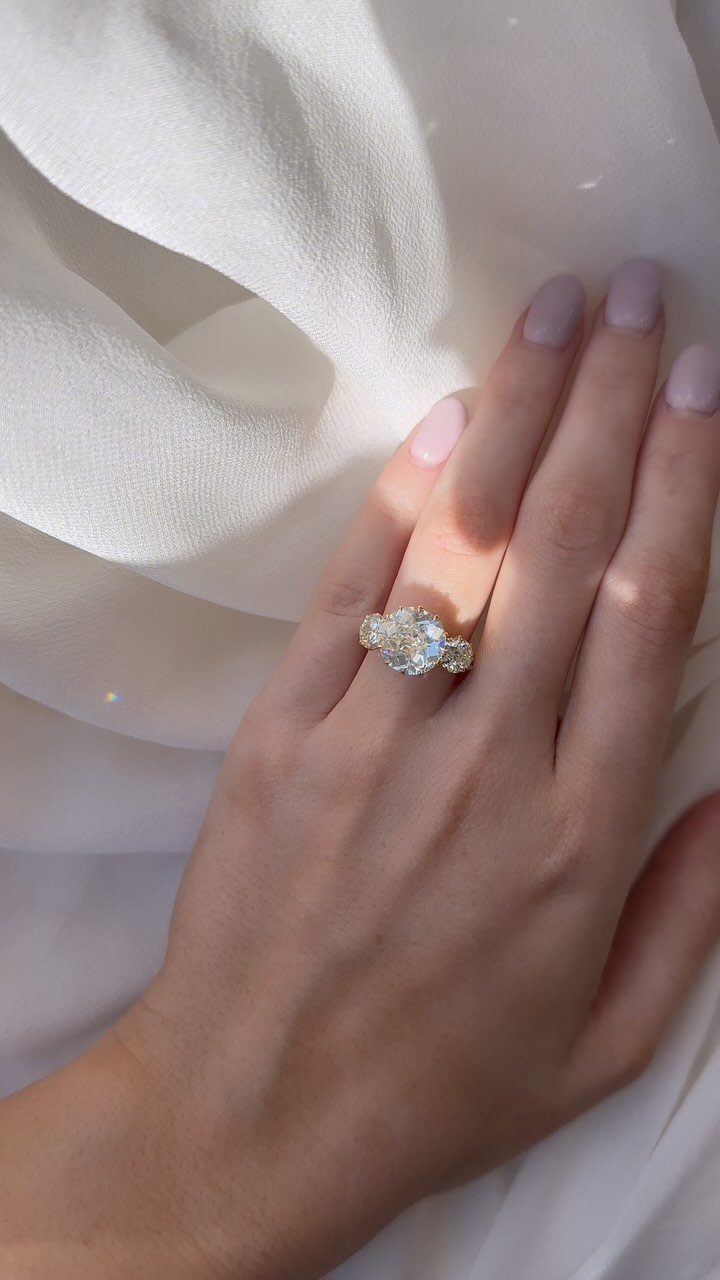
3 stones, read as past, present and future, give a ring a story before anyone asks about it. That meaning is the real draw for me, more than the look.
Ask about the side stones: matching them to the center in color and quality keeps the row looking even. A larger center with smaller flanking diamonds is the version I would pick, since it reads as a clear focal point.
Expect to pay for three stones instead of one.
3. Colorful Gemstone Engagement Rings
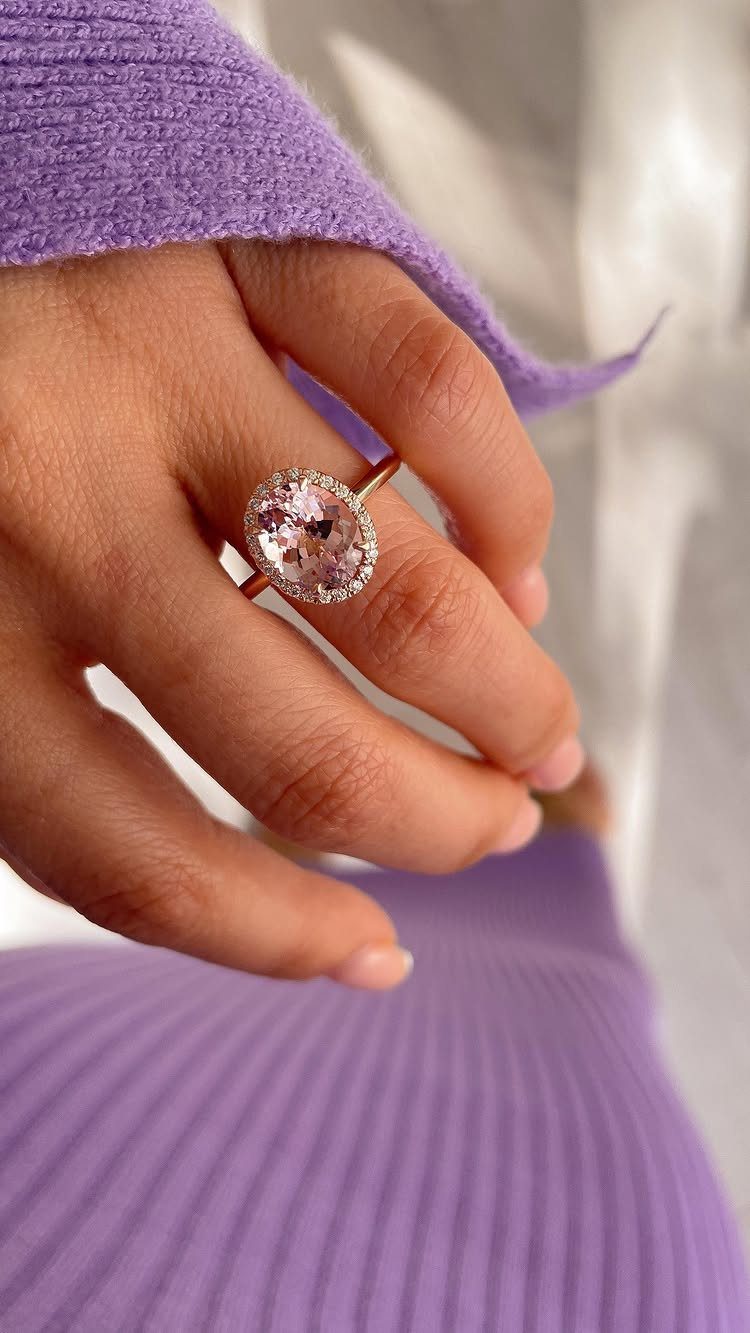
A pink oval gemstone in rose gold, ringed with diamonds, proves that a ring can skip the clear center stone and still feel like an engagement ring.
Color is the quickest way to get something nobody else on your friend list has.
Before you commit, ask the jeweler how hard the stone is and how it holds up to daily wear, since gems differ a lot. The diamond halo is a smart frame: it adds sparkle around the color.
4. Stackable Engagement Rings
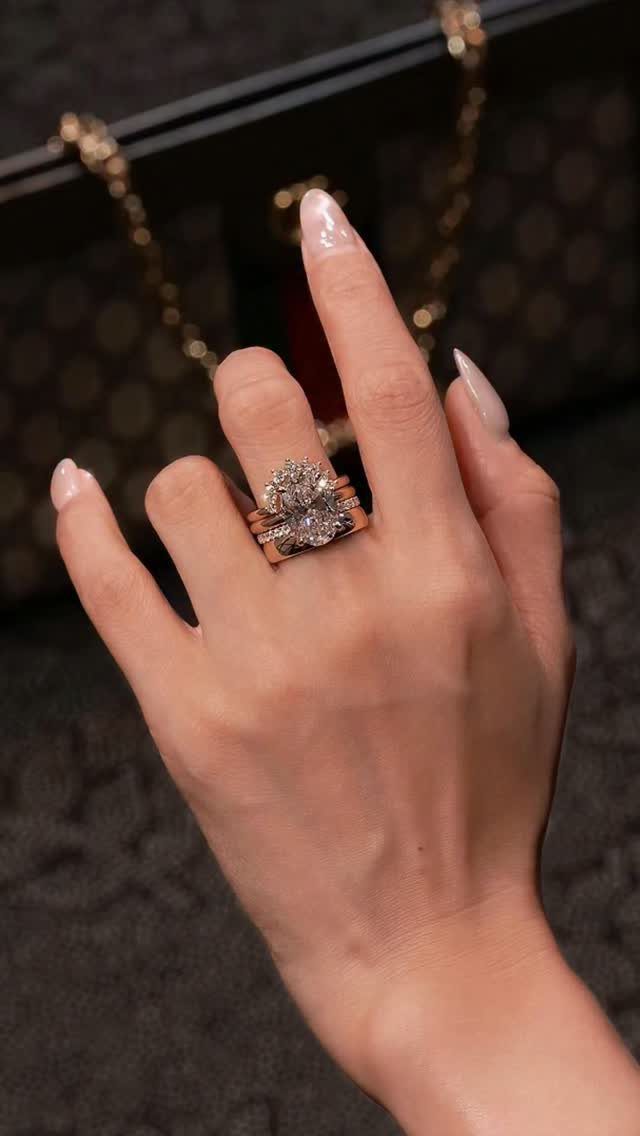
A ring built to be worn with others lets you start simple and add later. That suits a budget: buy the engagement ring now, then add bands for an anniversary or a birthday.
Check that the ring sits flat enough for neighbors to rest against it. Test the stack at the jeweler’s counter, not after the purchase.
I like gold bands with diamonds in a row, since matching metals look deliberate and the whole stack reads as one piece.
5. Yellow Gold Engagement Rings
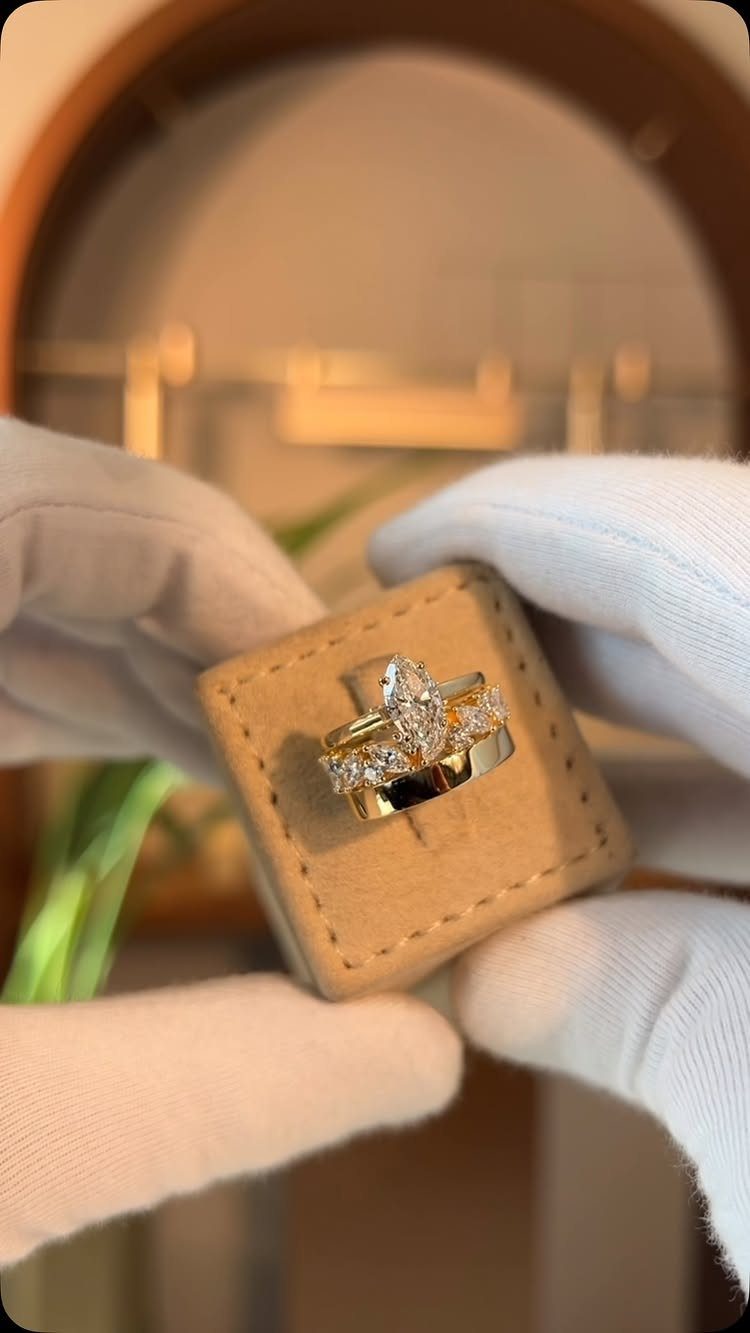
Warm yellow gold flatters a marquise diamond, whose pointed ends stretch the finger line. 18K yellow gold is a rich, high-karat choice, and it is worth asking about when you compare quotes.
I like buying the engagement ring and wedding band together, since the shapes are designed to sit flush against each other. A marquise’s points can snag, so ask about protective prong tips.
6. Vintage-Inspired Engagement Rings
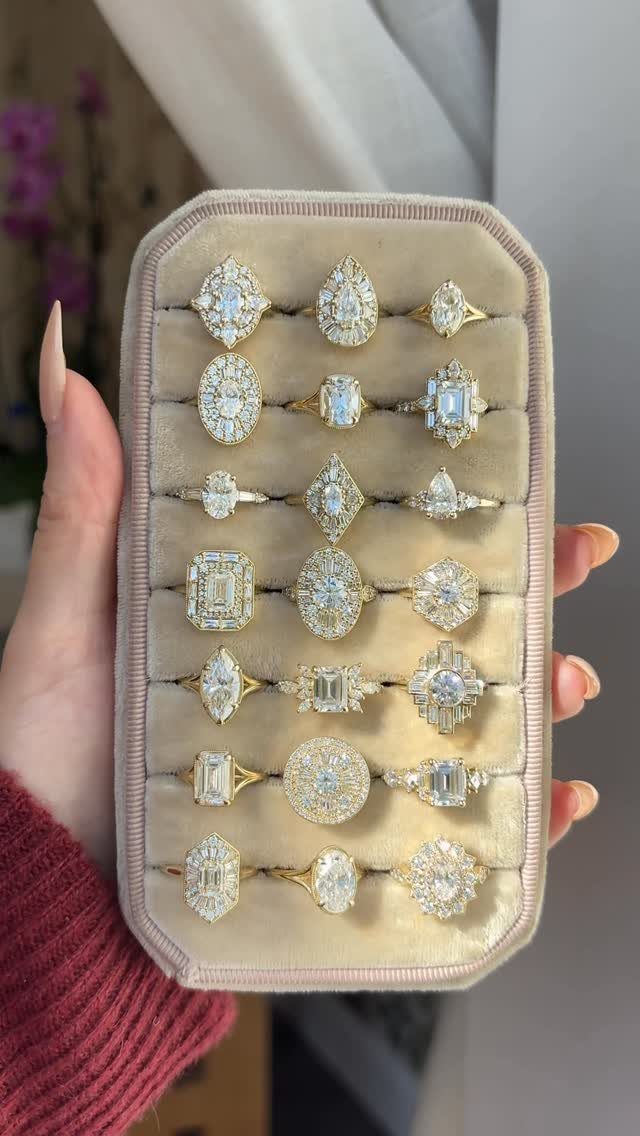
Pick up several in gold and notice which cuts you keep returning to. Then narrow to one era’s look instead of mixing details.
New rings made in an older style give you the character without hunting estate sales.
7. Emerald-Cut Diamond Engagement Ring
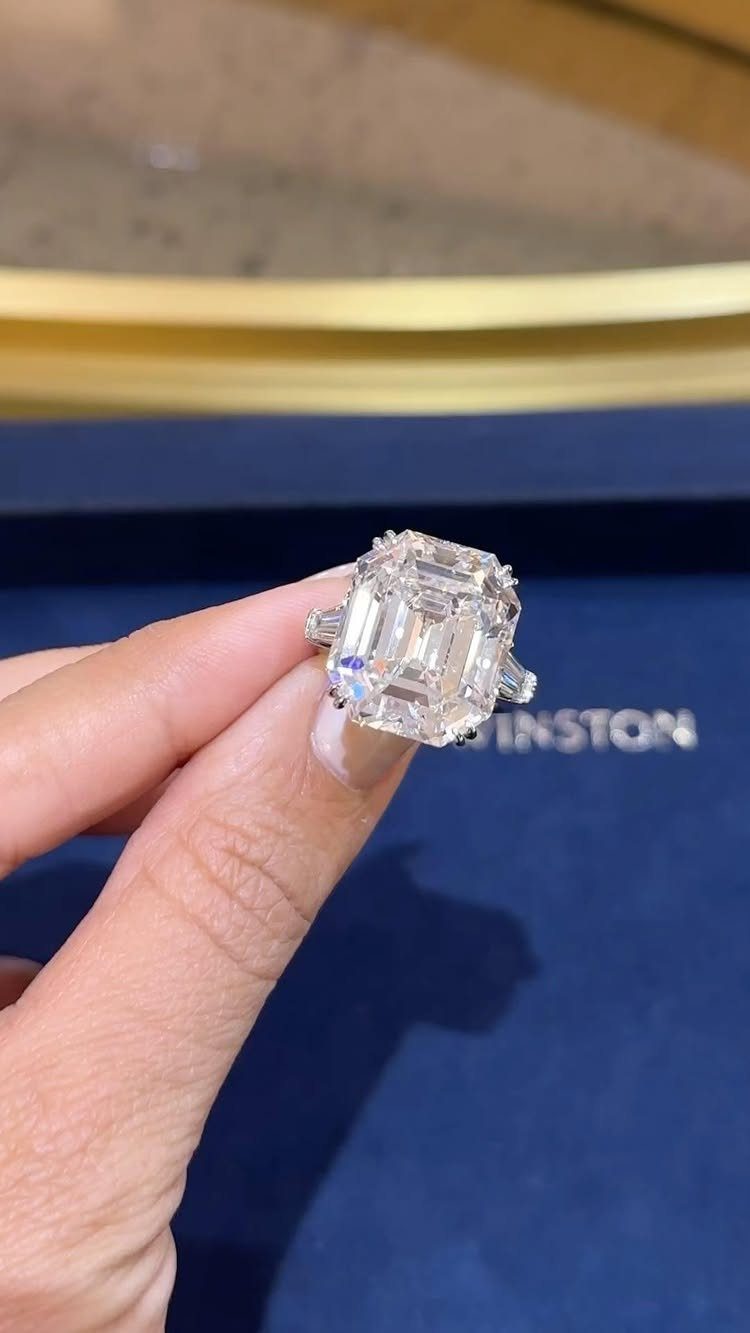
Long, straight facets give an emerald cut a hall-of-mirrors look instead of a sparkle, and side diamonds like the ones on this ring frame it without crowding the center. I prefer that restraint to a busy setting.
Ask to see the emerald cut in person, because a stone can look very different under a jeweler’s lights than it does in a listing photo.
A step-cut shows clarity more openly than a round does, so line up a few next to one another and pick the one that looks clean to your eye, not just on paper.
Silver-toned metal keeps the focus on the stone’s clear, icy look.
8. Round Solitaire with Pavé Band
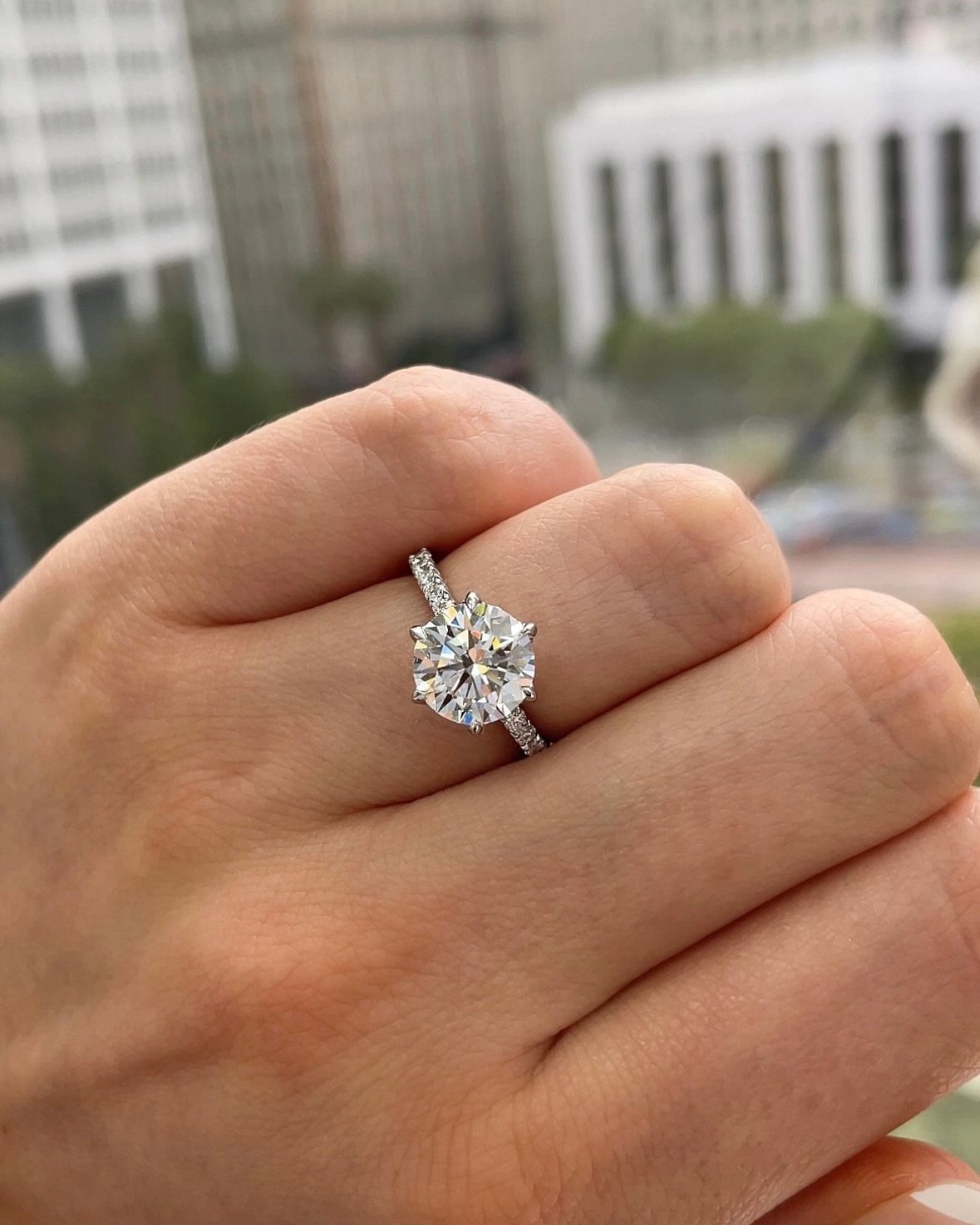
Few rings stay as classic as a round center stone, and a band set with small diamonds, called pavé, adds sparkle all the way around the finger.
That is the version I would pick on a budget-versus-dream deadline: the shape is familiar, and the band does the extra work.
Look closely at the band under bright light. The tiny stones should sit evenly, with no gaps or loose-looking beads.
Because the band is already full of diamonds, ask how a plain wedding band would sit beside it before you buy.
Choosing the Right Metal
Metal changes both the look and the wear of a ring, so decide it before you fall for a specific setting.
For diamond rings, 14K white gold sells more than any other metal. The color is a bright, silvery white, and the 14K mix is hard enough to handle daily wear.
Platinum’s white color is natural, so there is no rhodium plating to redo, and it rarely bothers sensitive skin.
With years of wear it takes on a soft, brushed patina, and a jeweler can buff that back to a mirror shine. I would pick it for a ring that will be worn daily for decades, if the budget allows.
A warm pink tint is what 14K rose gold brings, and it reads as romantic. 18K gold, in any of the three colors, is 75% pure gold versus 58.5% in 14K, so the color is richer and the ring feels slightly heavier.
My shorthand: white gold or platinum looks modern, yellow gold looks classic, and rose gold looks romantic.
Budgeting for Engagement Rings
The average engagement ring runs around $6,000, but that figure is a midpoint, not a target. Plenty of couples spend far less, and a number you set yourself beats one you inherit.
Price moves with 3 things: the gemstone, the metal, and the setting. Change any one and the total shifts, so decide which of the three matters most to you and let the other two flex.
If a diamond stretches the budget, colored stones are worth a look. Sapphires, citrine, moss agate, and london blue topaz all appear in unique and affordable rings.
Set a firm ceiling before you walk into a store. Ask for quotes in writing, with the metal and stone listed, so you can compare like with like.
One of the most important things you’ll ever buy is an engagement ring. It’s a piece of jewelry that’ll change the trajectory of your life, welcome in a new chapter, and symbolize the start of forever.
— AOL
Sizing and Resizing Rings
A ring that spins or pinches gets worn less, so size matters as much as the stone.
To keep the proposal a surprise, slip a ring she already wears on that finger out for measuring, or quietly check with a close friend or relative.
Free ring sizers can be requested, and many jewelers offer printable sizing guides you can use at home.
Find out what resizing costs and what it involves at the counter, ahead of any purchase. Plenty of jewelers throw in free resizing on most styles, and I would want that promise written on the receipt.
Fingers change with heat and time of day, so measure more than once, ideally when the hand is neither cold nor swollen.
Frequently Asked Questions
What should be considered when choosing an engagement ring?
Metal comes first, because platinum, 14K gold and 18K gold each look different and wear differently over decades.
Then weigh the gemstone, the setting, and your budget, because price moves with those three and you can let two flex while one stays your priority.
Can engagement rings be resized?
Yes, most can be resized, though it’s smart to ask what resizing costs and involves before you buy.
What are popular engagement ring styles?
Solitaire, halo, and three-stone settings are the most common.
A halo rings the center stone with small diamonds so it looks larger, and a three-stone ring uses a center diamond flanked by two smaller ones to stand for past, present and future.
Stackable, vintage-inspired, and colored gemstone rings round out the popular choices.